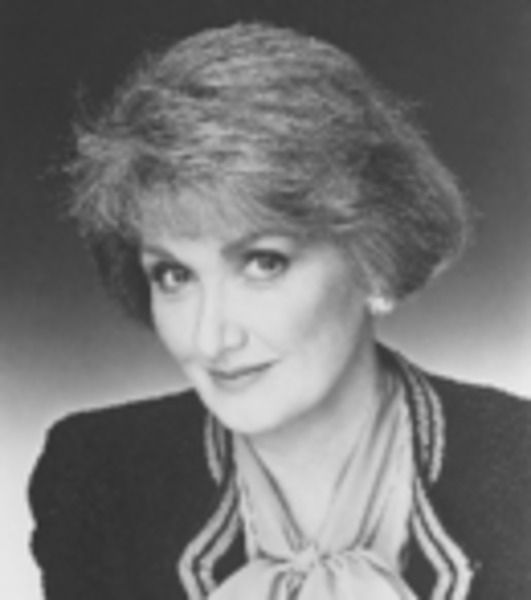
Susan Granger
And just consider how much deeper Hollywood's real influence goes. Ronald Reagan, an actor, was elected President, while his friend Clint Eastwood became a mayor. Jane Fonda, actress and activist, turned into our hottest exercise guru. Leading man Paul Newman set the supermarket industry standard for popcorn, salad dressing, lemonade and spaghetti sauce!
There is no question that movies have become the trendsetters of our era. With television as their standard bearer, movies have reached into every household in America,. Just watch stores compete to be the first to meet consumer demand for copies of their favorite stars’ costumes. Toy manufacturers stand ready to release the latest fantasy games in time for the next holiday seasons. And few pictures are produced today without a built-in, exploitable soundtrack and video.
From the beginning, Hollywood was the reaffirmation of the Horatio Alger rags-to-riches story. The illusion was that anyone could be a movie star. And movie stars became America’s royalty. Hollywood was the object of our fantasies. Then "investigative journalism" created a new mythology: the private, real lives of the stars. The scoop was that our matinee idols were actually choosing to be ordinary people rather than icons.
What is it about movies and their myths that fascinate us so? How and when did movie-make-believe become reality?
Susan Granger is a product of the "inside," having been born into Hollywood. Her natural father was head of production at Columbia Pictures; her adoptive father was a producer at MGM. As a child, she appeared in "Salute to the Marines"' "Son of Lassie," "Abbott and Costello in Hollywood," "The Fuller Brush Man"' and others. She has spent the rest of her life on the "outside" working in radio, television and public relations. Her articles and movie reviews have been seen in Redbook, Family Circle, Working Woman, Savvy, Playboy, The New York Times, and Cosmopolitan.
She is familiar to many as an entertainment critic for New York and Connecticut area radio and television, and nationwide as co-host of the "The Classic Picture Show" on American Movie Classics Cable Network.
And just consider how much deeper Hollywood's real influence goes. Ronald Reagan, an actor, was elected President, while his friend Clint Eastwood became a mayor. Jane Fonda, actress and activist, turned into our hottest exercise guru. Leading man Paul Newman set the supermarket industry standard for popcorn, salad dressing, lemonade and spaghetti sauce!
There is no question that movies have become the trendsetters of our era. With television as their standard bearer, movies have reached into every household in America,. Just watch stores compete to be the first to meet consumer demand for copies of their favorite stars’ costumes. Toy manufacturers stand ready to release the latest fantasy games in time for the next holiday seasons. And few pictures are produced today without a built-in, exploitable soundtrack and video.
From the beginning, Hollywood was the reaffirmation of the Horatio Alger rags-to-riches story. The illusion was that anyone could be a movie star. And movie stars became America’s royalty. Hollywood was the object of our fantasies. Then "investigative journalism" created a new mythology: the private, real lives of the stars. The scoop was that our matinee idols were actually choosing to be ordinary people rather than icons.
What is it about movies and their myths that fascinate us so? How and when did movie-make-believe become reality?
Susan Granger is a product of the "inside," having been born into Hollywood. Her natural father was head of production at Columbia Pictures; her adoptive father was a producer at MGM. As a child, she appeared in "Salute to the Marines"' "Son of Lassie," "Abbott and Costello in Hollywood," "The Fuller Brush Man"' and others. She has spent the rest of her life on the "outside" working in radio, television and public relations. Her articles and movie reviews have been seen in Redbook, Family Circle, Working Woman, Savvy, Playboy, The New York Times, and Cosmopolitan.
She is familiar to many as an entertainment critic for New York and Connecticut area radio and television, and nationwide as co-host of the "The Classic Picture Show" on American Movie Classics Cable Network.