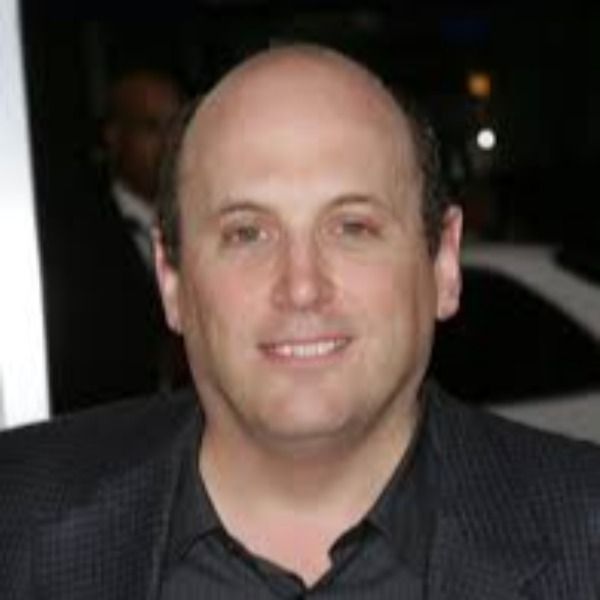
Kurt Eichenwald
In the wake of Enron, Worldcom, and a host of other scandals, the staid world of corporate governance has been shaken to its core, and the topic of how companies are run—not just how much money they make—has become the hottest business issue of our times. Kurt Eichenwald, a twenty-year veteran of The New York Times, is one of the world's leading commentators on this vital topic. In his current bestseller, Conspiracy of Fools: A True Story, Eichenwald offers a fascinating exploration of the greatest corporate scandal in history, helping readers to understand how and why it happened. The book has become a cause célèbre in its own right, and made Eichenwald one of the most talked about business journalists in America.
Kurt Eichenwald has written about corporate governance and related topics for more than a decade. He is a two-time winner of journalism's highest honor, the George Polk Award, and was a finalist for the 2000 Pulitzer Prize. In 1992, he began writing The New York Times' popular "Market Place" column and covering the unfolding scandals at Prudential Securities. He was presented with the 1996 Polk Award for his articles about deficiencies in the American system of dialysis care. In 1998, he again won a Polk Award, this time for a series of articles about allegations of corruption at the nation's largest private hospital chain. In 2000, he was nominated for a Pulitzer Prize for a series of articles about how business interests were influencing the system for medical clinical trials.
Eichenwald's other book, The Informant: A True Story, is about the Archer Daniels Midland price-fixing case and was a finalist for a J. Anthony Lukas Prize and the Investigative Reporters and Editors Book Award. It is currently in development as a major motion picture to be directed by Oscar-winning director Steven Soderbergh.
MOST REQUESTED TOPICS:
The Great Debacle
The Long Road to America’s worst financial crisis, and what it means for governments, companies and the country..
It seemed to come out of nowhere, an economic catastrophe of almost cataclysmic proportions, one that felled financial giants, destroyed Wall Street, dominated American presidential politics, and transformed capitalism with one of the greatest government interventions in history. How did we get here, and could the pain have been averted? And most important, is it going to get worse, or happen again? Kurt Eichenwald, who over two decades as a senior writer and business reporter for the New York Times has become one of America’s leading financial writers, answers those questions with a lively – and at times, terrifying – examination of the modern history of Wall Street, government and the investing world, a toxic stew of recklessness and foolishness that he says made the calamity inevitable. Tracing the history from the financial scandals of the 1970’s, through the corporate takeover and dotcom booms, to the accounting scandals of the early 21st century at companies like Enron and Worldcom, and finally, to the mortgage mania that pushed the American economy to the precipice of a credit meltdown, Eichenwald lays bare how the recent financial trauma was the product of decades of foolishness and failure, and explores what corporate executives, government officials and investors must do to avoid repeating this sordid history -- particularly with warning signs emerging of the next debacle to come.
Doing Right in the Era of Enron
Corporate governance and compliance have become the business buzzwords of the new millennium. But what, in truth, does any of that mean? In a lively, humorous and at times outrageous discussion, Kurt Eichenwald, author of Conspiracy of Fools, dissects the Enron case to explore the lessons it holds for Corporate America, and what it means both for senior executives, mid-level managers and other employees. The presentation is followed by a lively question and answer period. The bottom line message: good compliance is good business.
Doing Right
Anti-Trust Version
This is a similar presentation to the one above, with a focus on antitrust law. The themes and issues presented in this speech derive from one of Eichenwald's previous books, The Informant, a true story about a major price-fixing case. Eichenwald uses actual FBI undercover videotapes to depict where companies can go wrong, detailing a story that is soon to be a major motion picture starring Matt Damon and directed by Stephen Soderbergh. Elements of this speech can also be incorporated into Speech #1.
The Enron Story
Mismanagement, Crime and Politics
How did it happen? How did the nation's seventh largest corporation implode in a wave of scandals? Most people know something went wrong at Enron, but are hard pressed to explain it or even understand it themselves. In this lively discussion, Kurt Eichenwald, author of Conspiracy of Fools, depicts the Enron saga for what it really is: A riveting, roller-coaster of a story that takes listeners from the corridors of power in Washington to the boardrooms in Houston to the executive suites on Wall Street. The story speaks volumes about the market lunacies of the late 1990s, and what the lessons from that era mean for investors, businesspeople and corporations in the coming decades.
Courage of conviction in an era of Institutional Thought
The wave of corporate scandals over the past number of years - from Enron to Worldcom, from Tyco to Healthsouth - all share at least one thing in common: Wide numbers of employees, bankers, lawyers and accountants suspected or knew that there were problems, but were unable or unwilling to confront an institutional mindset of infallibility. Far too many who suspected wrongdoing and tried to stop it eventually succumbed to the culture of their corporations and are now spending time in prison for their personal failure. What does the individual do? How does anyone generate the courage to speak up in a world where too often, it seems the squeaky wheel gets fired. Kurt Eichenwald, author of Conspiracy of Fools, addresses those issues in a lively and thought-provoking dialogue, including hefty interaction with the audience. One of the big messages of the discussion: If the people at the top wanted everyone to keep their concerns to themselves, they wouldn't have brought Eichenwald in to speak.
Business Ethics in the 21st Century
The View from a Corporate Crime Expert
This speech is particularly well suited for business schools and colleges that incorporate ethics training as part of their curriculum. Kurt Eichenwald, New York Times bestselling author of Conspiracy of Fools, has for almost two decades reported and written about white-collar crime - from the Wall Street scandals of the 1980s, to the health care frauds of the 1990s, to the accounting debacles of the new millennium. What are the themes that emerge from these scandals? What can students learn from them, to help them insure that they stay on the right path in business? In a lively and sometimes shocking presentation, Eichenwald takes his listeners inside the world of corporate fraud - telling them all about the temptations, the secrets and the dangers.
In the wake of Enron, Worldcom, and a host of other scandals, the staid world of corporate governance has been shaken to its core, and the topic of how companies are run—not just how much money they make—has become the hottest business issue of our times. Kurt Eichenwald, a twenty-year veteran of The New York Times, is one of the world's leading commentators on this vital topic. In his current bestseller, Conspiracy of Fools: A True Story, Eichenwald offers a fascinating exploration of the greatest corporate scandal in history, helping readers to understand how and why it happened. The book has become a cause célèbre in its own right, and made Eichenwald one of the most talked about business journalists in America.
Kurt Eichenwald has written about corporate governance and related topics for more than a decade. He is a two-time winner of journalism's highest honor, the George Polk Award, and was a finalist for the 2000 Pulitzer Prize. In 1992, he began writing The New York Times' popular "Market Place" column and covering the unfolding scandals at Prudential Securities. He was presented with the 1996 Polk Award for his articles about deficiencies in the American system of dialysis care. In 1998, he again won a Polk Award, this time for a series of articles about allegations of corruption at the nation's largest private hospital chain. In 2000, he was nominated for a Pulitzer Prize for a series of articles about how business interests were influencing the system for medical clinical trials.
Eichenwald's other book, The Informant: A True Story, is about the Archer Daniels Midland price-fixing case and was a finalist for a J. Anthony Lukas Prize and the Investigative Reporters and Editors Book Award. It is currently in development as a major motion picture to be directed by Oscar-winning director Steven Soderbergh.
MOST REQUESTED TOPICS:
The Great Debacle
The Long Road to America’s worst financial crisis, and what it means for governments, companies and the country..
It seemed to come out of nowhere, an economic catastrophe of almost cataclysmic proportions, one that felled financial giants, destroyed Wall Street, dominated American presidential politics, and transformed capitalism with one of the greatest government interventions in history. How did we get here, and could the pain have been averted? And most important, is it going to get worse, or happen again? Kurt Eichenwald, who over two decades as a senior writer and business reporter for the New York Times has become one of America’s leading financial writers, answers those questions with a lively – and at times, terrifying – examination of the modern history of Wall Street, government and the investing world, a toxic stew of recklessness and foolishness that he says made the calamity inevitable. Tracing the history from the financial scandals of the 1970’s, through the corporate takeover and dotcom booms, to the accounting scandals of the early 21st century at companies like Enron and Worldcom, and finally, to the mortgage mania that pushed the American economy to the precipice of a credit meltdown, Eichenwald lays bare how the recent financial trauma was the product of decades of foolishness and failure, and explores what corporate executives, government officials and investors must do to avoid repeating this sordid history -- particularly with warning signs emerging of the next debacle to come.
Doing Right in the Era of Enron
Corporate governance and compliance have become the business buzzwords of the new millennium. But what, in truth, does any of that mean? In a lively, humorous and at times outrageous discussion, Kurt Eichenwald, author of Conspiracy of Fools, dissects the Enron case to explore the lessons it holds for Corporate America, and what it means both for senior executives, mid-level managers and other employees. The presentation is followed by a lively question and answer period. The bottom line message: good compliance is good business.
Doing Right
Anti-Trust Version
This is a similar presentation to the one above, with a focus on antitrust law. The themes and issues presented in this speech derive from one of Eichenwald's previous books, The Informant, a true story about a major price-fixing case. Eichenwald uses actual FBI undercover videotapes to depict where companies can go wrong, detailing a story that is soon to be a major motion picture starring Matt Damon and directed by Stephen Soderbergh. Elements of this speech can also be incorporated into Speech #1.
The Enron Story
Mismanagement, Crime and Politics
How did it happen? How did the nation's seventh largest corporation implode in a wave of scandals? Most people know something went wrong at Enron, but are hard pressed to explain it or even understand it themselves. In this lively discussion, Kurt Eichenwald, author of Conspiracy of Fools, depicts the Enron saga for what it really is: A riveting, roller-coaster of a story that takes listeners from the corridors of power in Washington to the boardrooms in Houston to the executive suites on Wall Street. The story speaks volumes about the market lunacies of the late 1990s, and what the lessons from that era mean for investors, businesspeople and corporations in the coming decades.
Courage of conviction in an era of Institutional Thought
The wave of corporate scandals over the past number of years - from Enron to Worldcom, from Tyco to Healthsouth - all share at least one thing in common: Wide numbers of employees, bankers, lawyers and accountants suspected or knew that there were problems, but were unable or unwilling to confront an institutional mindset of infallibility. Far too many who suspected wrongdoing and tried to stop it eventually succumbed to the culture of their corporations and are now spending time in prison for their personal failure. What does the individual do? How does anyone generate the courage to speak up in a world where too often, it seems the squeaky wheel gets fired. Kurt Eichenwald, author of Conspiracy of Fools, addresses those issues in a lively and thought-provoking dialogue, including hefty interaction with the audience. One of the big messages of the discussion: If the people at the top wanted everyone to keep their concerns to themselves, they wouldn't have brought Eichenwald in to speak.
Business Ethics in the 21st Century
The View from a Corporate Crime Expert
This speech is particularly well suited for business schools and colleges that incorporate ethics training as part of their curriculum. Kurt Eichenwald, New York Times bestselling author of Conspiracy of Fools, has for almost two decades reported and written about white-collar crime - from the Wall Street scandals of the 1980s, to the health care frauds of the 1990s, to the accounting debacles of the new millennium. What are the themes that emerge from these scandals? What can students learn from them, to help them insure that they stay on the right path in business? In a lively and sometimes shocking presentation, Eichenwald takes his listeners inside the world of corporate fraud - telling them all about the temptations, the secrets and the dangers.