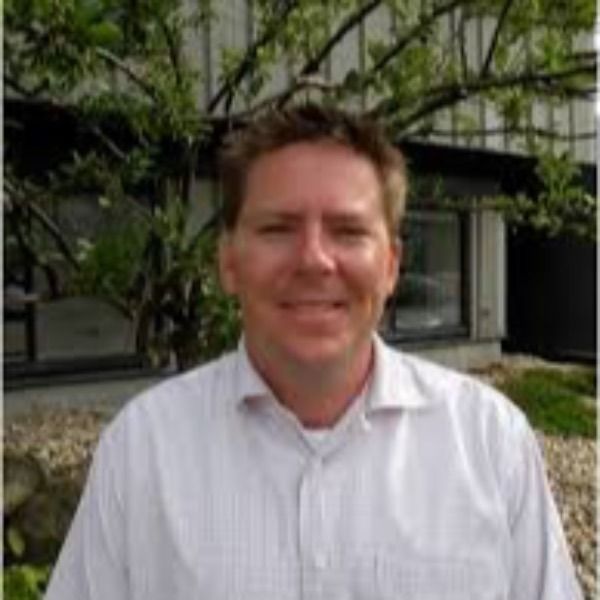
Dr. Jim Kern
TX, US
Dr. Jim Kern is a motvational speaker.
Speeches and Seminars While we strive to build every workshop, every speech, to meet the specific needs of the groups we serve, these speeches have come forward as the most popular of Jim's work. Book Jim to work with your group for one day or ask about special package options where Jim makes follow up visits ensuring his message is remembered and translated into every day practice. Understanding Ourselves and Others In this speech, used many times as a keynote speech for conferences, Jim reminds each participant of five 'tried and true' tenets, and invites every person into an interaction to illustrate these valuable insights. Let Jim remind your group of: 1) the importance of the people in our lives (treat your wife/husband with at least as much kindness as that clerk at the convenience store), 2) the precious, priceless nature of children, 3) the value of treating differences as gifts, 4 our unrelenting need to keep changing throughout our lives, and 5) the ability to treat 'how we feel' as important. What's more basic than the 'basics'? While most agree that the need to read, write and do arithmetic (the 'basics') are invaluable skills, Jim suggests in this presentation that unless a child feels loved, important and safe, those skills will not be adequately learned. Every parent, every teacher, every person who works with children needs to hear this presentation to learn specific strategies for preparing our young people to move into an increasingly technological and demanding world. The latest research on our brains leads us to believe that children deprived of these 'More Basic' qualities might remain forever 'deprived'. By helping children know that they ARE loved, that they ARE important, and that they ARE safe, we can pave the way for their learning to read, write and 'figure'. Helping Children change 'How They See the World" Consider this thought: "Every behavior of every child at any moment makes perfect sense to that child." Suppose we who want to help kids could 'see' the world as they 'see' it. Could we become more effective helpers of kids? Suppose, then, that we could move the child into a new perception of the world. Could we facilitate important changes in the behavior of our kids? When people see the world as filled with rage, hostility, and acts of destruction, their behaviors reflect this 'view of the world'. In this discussion, Jim will teach specific ways to alter the perception of the world of young people in an attempt to start a change in their behaviors. Pathways to Pain: The Failure Funnel How we respond to our mistakes - our failures - may determine our ability to live happy, successful, fulfilling lives. When we perceive the negative feelings that might follow our 'failures' as overwhelming, we multiply the negative effects of guilt, fear and anger and frequently become the products of these perceptions. To know that mistakes and failures often present opportunities to grow and learn can build bridges to a much brighter future. Jim will help participants understand specific skills we can use to help people (including ourselves) reduce the pressure of negativity and turn mistakes and failures into learning experiences.
Speeches and Seminars While we strive to build every workshop, every speech, to meet the specific needs of the groups we serve, these speeches have come forward as the most popular of Jim's work. Book Jim to work with your group for one day or ask about special package options where Jim makes follow up visits ensuring his message is remembered and translated into every day practice. Understanding Ourselves and Others In this speech, used many times as a keynote speech for conferences, Jim reminds each participant of five 'tried and true' tenets, and invites every person into an interaction to illustrate these valuable insights. Let Jim remind your group of: 1) the importance of the people in our lives (treat your wife/husband with at least as much kindness as that clerk at the convenience store), 2) the precious, priceless nature of children, 3) the value of treating differences as gifts, 4 our unrelenting need to keep changing throughout our lives, and 5) the ability to treat 'how we feel' as important. What's more basic than the 'basics'? While most agree that the need to read, write and do arithmetic (the 'basics') are invaluable skills, Jim suggests in this presentation that unless a child feels loved, important and safe, those skills will not be adequately learned. Every parent, every teacher, every person who works with children needs to hear this presentation to learn specific strategies for preparing our young people to move into an increasingly technological and demanding world. The latest research on our brains leads us to believe that children deprived of these 'More Basic' qualities might remain forever 'deprived'. By helping children know that they ARE loved, that they ARE important, and that they ARE safe, we can pave the way for their learning to read, write and 'figure'. Helping Children change 'How They See the World" Consider this thought: "Every behavior of every child at any moment makes perfect sense to that child." Suppose we who want to help kids could 'see' the world as they 'see' it. Could we become more effective helpers of kids? Suppose, then, that we could move the child into a new perception of the world. Could we facilitate important changes in the behavior of our kids? When people see the world as filled with rage, hostility, and acts of destruction, their behaviors reflect this 'view of the world'. In this discussion, Jim will teach specific ways to alter the perception of the world of young people in an attempt to start a change in their behaviors. Pathways to Pain: The Failure Funnel How we respond to our mistakes - our failures - may determine our ability to live happy, successful, fulfilling lives. When we perceive the negative feelings that might follow our 'failures' as overwhelming, we multiply the negative effects of guilt, fear and anger and frequently become the products of these perceptions. To know that mistakes and failures often present opportunities to grow and learn can build bridges to a much brighter future. Jim will help participants understand specific skills we can use to help people (including ourselves) reduce the pressure of negativity and turn mistakes and failures into learning experiences.
2010