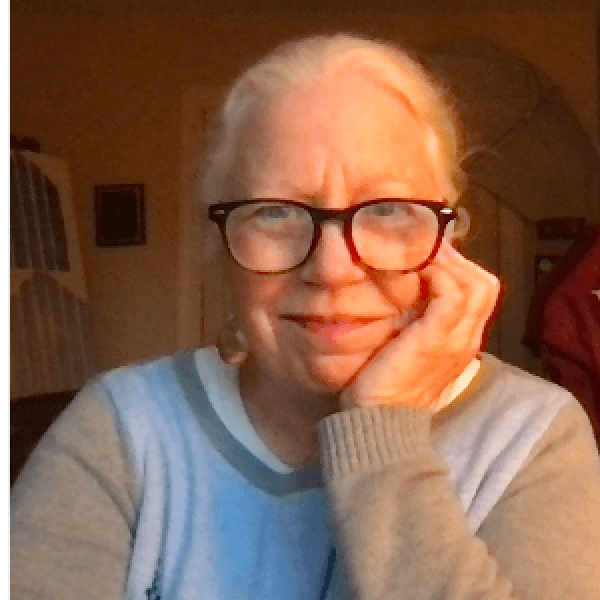
Peggy Haymes
LCMHC
NC, USTalking about things that matter.
Audiences walk away from Peggy Haymes’s presentations feeling seen and heard. When the struggles they’re afraid to talk about are named out loud they realize it’s not just them. More than that, they leave with a roadmap for dealing with those challenges.
In a moment, everything changes.
For Peggy Haymes, that moment came when staff members with grief pioneer Elisabeth Kubler-Ross asked her to train with them and work with them in continuing the grief workshops that Kubler-Ross began. That moment led to decades of learning from their experiences with grieving people around the world, decades of experience leading workshops with them, and then continuing those workshops after their retirements. From that experience she brings a deep and rich understanding of how many ways grief shows up in our work and in our lives and to costs of not addressing it.
Along with this experience, she brings the rare perspective of having walked with and listened to people for over forty years of ordained ministry and over twenty years as a Licensed Clinical Mental Health Counselor. In addition, she also serves as a business coach for manager level employees of a regional nonprofit as well as a leadership coach for clergy.
A lifelong writer, Haymes delights in finding the right picture or story that opens up understanding or shifts perspective. She is always listening for what’s missing in our conversations and wondering how we might fill in that missing piece. For example, the basics of emotional intelligence focus on being aware of our feelings. Through her years of listening she understands that many of us don't know what we’re feeling, making it hard to start building emotional intelligence. Through her creativity, she addresses that problem with the memorable and useful image of “goldfish grief,” a process unpacked in one of her keynotes.
Haymes understands that grief doesn’t just happen when a person dies, but that it also extends to other losses pets, homes, friendships, jobs, health and abilities. We can even grieve what we should have had but didn’t get, like a safe childhood free from abuse.
Too often grief has been seen as a series of tasks to be checked off. Haymes reminds us that grief is a lifelong journey, giving audiences permission to find their own rhythm. Likewise, we’re told of the benefits of gratitude but not what to do if we really aren't grateful. Haymes gives audiences permission to practice gratitude along with those feelings we think we shouldn’t be feeling.
Although her training includes completing a Master of Divinity, a Master of Arts in Pastoral Care and Counseling, and a clinical residency in pastoral care at a Level One trauma center, Haymes also learns form her own life experiences. These include not only deaths of family, friends, and beloved pets but also the challenges of a serious biking accident.
What audiences experience when Peggy Haymes speaks:
Being seen for who they are in a way that brings relief. “I’m not the only one who struggles with this/feels like this."
Sometimes difficult concepts presented in the language of everyday experiences
New and freeing perspectives
Specific tools they can take with them to make some part of their lives better.
A speaker who puts them at ease because she is at ease with herself and with what she is presenting.
Laughing at the absurdities we experience, inspiration for the challenges we face, and a chance to talk about things that matter.
In a moment, everything changes.
For Peggy Haymes, that moment came when staff members with grief pioneer Elisabeth Kubler-Ross asked her to train with them and work with them in continuing the grief workshops that Kubler-Ross began. That moment led to decades of learning from their experiences with grieving people around the world, decades of experience leading workshops with them, and then continuing those workshops after their retirements. From that experience she brings a deep and rich understanding of how many ways grief shows up in our work and in our lives and to costs of not addressing it.
Along with this experience, she brings the rare perspective of having walked with and listened to people for over forty years of ordained ministry and over twenty years as a Licensed Clinical Mental Health Counselor. In addition, she also serves as a business coach for manager level employees of a regional nonprofit as well as a leadership coach for clergy.
A lifelong writer, Haymes delights in finding the right picture or story that opens up understanding or shifts perspective. She is always listening for what’s missing in our conversations and wondering how we might fill in that missing piece. For example, the basics of emotional intelligence focus on being aware of our feelings. Through her years of listening she understands that many of us don't know what we’re feeling, making it hard to start building emotional intelligence. Through her creativity, she addresses that problem with the memorable and useful image of “goldfish grief,” a process unpacked in one of her keynotes.
Haymes understands that grief doesn’t just happen when a person dies, but that it also extends to other losses pets, homes, friendships, jobs, health and abilities. We can even grieve what we should have had but didn’t get, like a safe childhood free from abuse.
Too often grief has been seen as a series of tasks to be checked off. Haymes reminds us that grief is a lifelong journey, giving audiences permission to find their own rhythm. Likewise, we’re told of the benefits of gratitude but not what to do if we really aren't grateful. Haymes gives audiences permission to practice gratitude along with those feelings we think we shouldn’t be feeling.
Although her training includes completing a Master of Divinity, a Master of Arts in Pastoral Care and Counseling, and a clinical residency in pastoral care at a Level One trauma center, Haymes also learns form her own life experiences. These include not only deaths of family, friends, and beloved pets but also the challenges of a serious biking accident.
What audiences experience when Peggy Haymes speaks:
Being seen for who they are in a way that brings relief. “I’m not the only one who struggles with this/feels like this."
Sometimes difficult concepts presented in the language of everyday experiences
New and freeing perspectives
Specific tools they can take with them to make some part of their lives better.
A speaker who puts them at ease because she is at ease with herself and with what she is presenting.
Laughing at the absurdities we experience, inspiration for the challenges we face, and a chance to talk about things that matter.
The Gift of Goldfish Grief: Unexpected ways to boost your emotional intelligence
Format: Keynote
This program is perfect for:
Business leaders, including those moving into supervisory...
You Can’t Flunk Grief: Why grief isn’t about getting it right and what you can do instead
Format: _ Keynote
This program is perfect for:
Audiences focusing on wellness
See More
Choosing Gratitude (Except When You Can’t): What to do when life is less than inspirational
Format Keynote
This program is perfect for:
Audiences focused on wellness
Women’s...