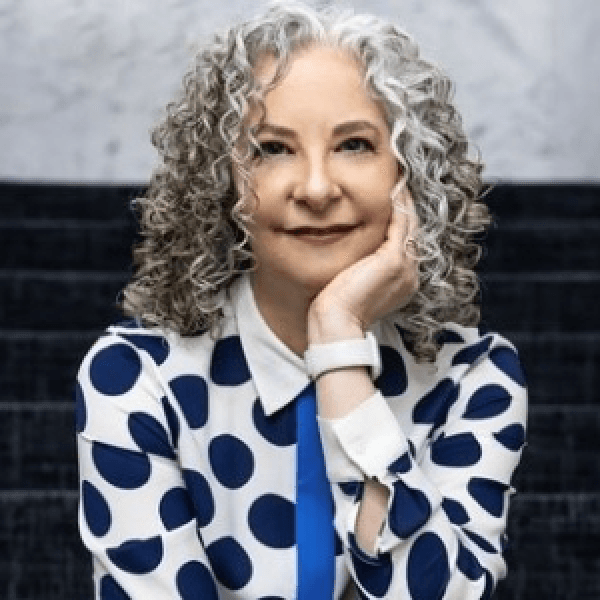
Laura G. Anthony
JD, AWI-CH
OH, USHelping leaders transform the workplace by embracing neurodiversity and creating innovative, connected, and inclusive teams.
Great minds don’t think alike.
That’s the core principle of my work helping leaders navigate difference, conflict, and neurodiversity so they can optimize the performance of their teams.
And I learned that principle in childhood.
When my mom survived a traumatic brain injury, I saw firsthand how differently (and brilliantly) the brain can work.
That early experience inspired my studies in psychology and brain science as well as my career as a disability attorney and leader and advisor for neurodiverse teams.
And it shaped how I approach my work as a mediator, investigator, and hearing officer. In these roles, I help organizations and leaders support communication, collaboration, and regulation under pressure.
In my role as a speaker and consultant, I help leaders understand what neuroinclusion looks like in practice and how to build systems where different thinkers are not only accepted, but expected.
This work has led to being featured in Forbes, invited to train Fortune 100 companies and asked to share my perspective on leading podcasts, highlighting the growing interest in neurodiversity as a leadership, talent and cultural priority.
I come from a family of educators, so teaching feels natural and my approach blends experience with empathy because understanding people and navigating conflict is important, complex work that requires both.
When I’m not helping leaders and teams, you’ll find me traveling, getting lost in reading or creative projects, or giving in to my sweet tooth.
If you believe great minds don’t think alike and want to apply that principle to your organization, I’d love to be part of the conversation.
Great minds don’t think alike.
That’s the core principle of my work helping leaders navigate difference, conflict, and neurodiversity so they can optimize the performance of their teams.
And I learned that principle in childhood.
When my mom survived a traumatic brain injury, I saw firsthand how differently (and brilliantly) the brain can work.
That early experience inspired my studies in psychology and brain science as well as my career as a disability attorney and leader and advisor for neurodiverse teams.
And it shaped how I approach my work as a mediator, investigator, and hearing officer. In these roles, I help organizations and leaders support communication, collaboration, and regulation under pressure.
In my role as a speaker and consultant, I help leaders understand what neuroinclusion looks like in practice and how to build systems where different thinkers are not only accepted, but expected.
This work has led to being featured in Forbes, invited to train Fortune 100 companies and asked to share my perspective on leading podcasts, highlighting the growing interest in neurodiversity as a leadership, talent and cultural priority.
I come from a family of educators, so teaching feels natural and my approach blends experience with empathy because understanding people and navigating conflict is important, complex work that requires both.
When I’m not helping leaders and teams, you’ll find me traveling, getting lost in reading or creative projects, or giving in to my sweet tooth.
If you believe great minds don’t think alike and want to apply that principle to your organization, I’d love to be part of the conversation.
Great Minds Don't Think Alike: Optimizing Your Neurodiverse Workforce
Format: Keynote, breakout or workshop between 45-90 minutes
This program is perfect for:
Organizational and team leaders. HR professionals and ERG teams
The audience will leave with:
- An understanding of what neurodivergence means and its impact in the workforce
- The ability to recognize how different ways of thinking and communicating can create a strategic advantage...
Equity in Inquiry: How To Conduct Neuroinclusive Interviews and Workplace Investigations
Format: 45-90 minute keynote, workshop or breakout
This program is perfect for:
- HR professionals, talent recruiters and workplace investigators
The audience will :
- Recognize how traditional interview methods can exclude those with different cognitive and communication styles.
- Learn how to modify questioning techniques, environments and processes to...
Different Wiring, Shared Solutions: How to Navigate Conflict and Connect Differently Wired Brains
Format: 45 - 90 minute keynote, breakout session or workshop
This program is perfect for:
- Mediators, arbitrators, ADR professionals, workplace ombuds
- HR and legal professionals
- Team leaders
The audience will:
- Recognize how neurodivergence can affect how people experience stress and conflict
- Understand how traditional approaches to dispute...
Member Of