Ebhoni Ebhoni
On Valentine's Day of last year, Ebhoni found herself in no mood to celebrate. Though she had already collected attention in Toronto for her upbeat SoundCloud R&B tracks—not to mention hundreds of thousands of views on YouTube for her covers of artists including Beyoncé and Keyshia Cole—the fallout from the breakup of a year-long relationship had her questioning her lifelong dream of being a musician. "It felt like I was losing everything," she tells me. Then she got a strange email—something about modeling for Rihanna.
At first, she thought it was spam and ignored it. Then she got another email. She still thought it was fake, but her mom double checked, and suddenly the young singer was packing for an early morning flight to Los Angeles to be photographed for Rihanna's Savage X Fenty lingerie line. The experience boosted her confidence, giving her the motivation to move on. "I was just happy and so thankful, it was crazy," she says, thinking back to the challenges of that period. "I kept telling myself: I'm not going to let a boy risk my shit."
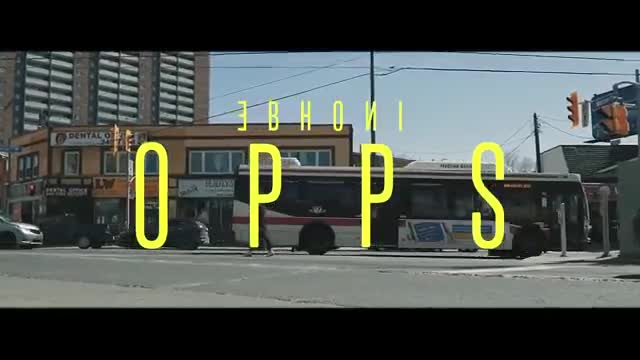
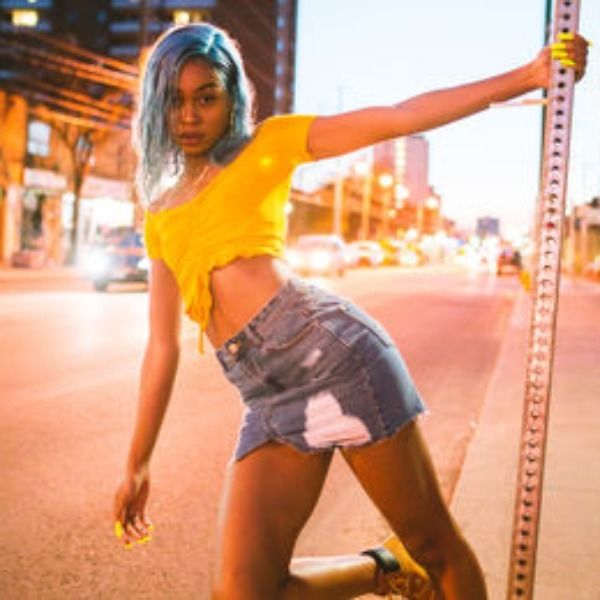
In the year since her dalliance with modeling, Ebhoni has opened up for one of her favorite artists, Teyana Taylor, and hosted Pride Toronto, the city's largest parade for LGBTQ+ folks. She's also expanded her musical palette with the anthemic pop of "Opps," the haunted balladry of "Street Lights," and the futuristic dancehall of new single "Drama." No matter the sound, the confident 19-year-old is honest and captivating—a songwriter sensitive to her churning emotions who also has no tolerance for any and all bullshit, especially from men.
Talking about her recent track "TGM (Tek Gyal Man)" at a humble restaurant in Toronto's Chinatown, she says, "The song is really about feeling good: You could have no makeup on, and you play that song, and you're just like, 'Shit, I could take someone's man if I wanted to.'" She's quick to note that the track was conceived as an uplifting mantra for women, and not literally about stealing other people's boyfriends. "Female empowerment is huge for me because a lot of women in music feel as though they have to turn us against each other, but the reality is that all of us can do big things," she says, namechecking Toronto artists who have inspired her including Jessie Reyez, Savannah Ré, Jordan Alexander, and Asa. "We have to support one another."
Ebhoni Jade Cato-O'Garro largely grew up on Weston Road, a locus for Toronto's many black and racialized diasporas. "It has so much to do with who I am, my personality, my music," says the singer, who is of Antiguan, Jamaican, and Indigenous background, talking about where she was raised. She remembers listening to her dad's hip-hop faves including Lauryn Hill, Nas, and Wu-Tang Clan as well as her grandmother's reggae records, the melodies sinking into her burgeoning musical consciousness. When her parents divorced, Ebhoni moved with her mom and sister to Oshawa, a predominantly white suburb outside the east end of the city, where she felt like an outsider. "Girl, never again," she tells me. "There was no black people. I said to my mom, like, 'We can't do this.' So we moved downtown."
Ebhoni has been singing and dancing since she was a little girl. "I love being the center of attention—I don't know if it's a Sagittarius thing," she says with a laugh between bites of spicy shrimp. "When I was 10, people would be like: 'You have an old soul.' I'd be like, What the fck? I'm 10. OK, thanks." Her mom, who eventually quit her job to become Ebhoni's manager, encouraged her daughter's musical talents, buying a camera for her YouTube videos and entering her into local singing contests.
As she recounts her life thus far over lunch, Ebhoni swiftly opens a soda can with her gleaming nails. "I've been wearing acrylic since I was 13, and I would always do them super, super long," she says. "People are like, 'How do you wipe your ass with those nails?' And I'm like, 'Don't worry.'" She adds that they were done by Miss Carter, a local nail technician from Parkdale, the musician-friendly Toronto neighborhood nearby in which Ebhoni currently resides.
For several decades, Parkdale was known as an affordable and vibrant pocket of the city. Recently, though, the area has seen more condo developments, small business closures, and demographic transitions—nothing new for an increasingly gentrified metropolis. Outside of its skyrocketing rent prices, Toronto has become recognized for its small but succeeding music industry, with many artists making it to the global market in the last decade. But some have pointed out that the scene is heavily dominated by men; Erin Ashley, a local music editor, recently wrote about the "uneven platform" given to men over women in the city's rap and R&B circles.
"I feel like all the energy is being put towards males in the city," Ebhoni says. "It is something that definitely needs to be changed in order for something to happen." The climate has been overwhelming enough for some artists to take their talents elsewhere; getting recognized abroad can seem like the only way to be noticed in their hometown. "The way I see it is in order for something drastic to happen, you have to do something drastic," says Ebhoni, who adds that she is considering a move to Los Angeles or Atlanta. "If that means leaving your home so you don't get stuck in that box then that means leaving your home."
On Valentine's Day of last year, Ebhoni found herself in no mood to celebrate. Though she had already collected attention in Toronto for her upbeat SoundCloud R&B tracks—not to mention hundreds of thousands of views on YouTube for her covers of artists including Beyoncé and Keyshia Cole—the fallout from the breakup of a year-long relationship had her questioning her lifelong dream of being a musician. "It felt like I was losing everything," she tells me. Then she got a strange email—something about modeling for Rihanna.
At first, she thought it was spam and ignored it. Then she got another email. She still thought it was fake, but her mom double checked, and suddenly the young singer was packing for an early morning flight to Los Angeles to be photographed for Rihanna's Savage X Fenty lingerie line. The experience boosted her confidence, giving her the motivation to move on. "I was just happy and so thankful, it was crazy," she says, thinking back to the challenges of that period. "I kept telling myself: I'm not going to let a boy risk my shit."
In the year since her dalliance with modeling, Ebhoni has opened up for one of her favorite artists, Teyana Taylor, and hosted Pride Toronto, the city's largest parade for LGBTQ+ folks. She's also expanded her musical palette with the anthemic pop of "Opps," the haunted balladry of "Street Lights," and the futuristic dancehall of new single "Drama." No matter the sound, the confident 19-year-old is honest and captivating—a songwriter sensitive to her churning emotions who also has no tolerance for any and all bullshit, especially from men.
Talking about her recent track "TGM (Tek Gyal Man)" at a humble restaurant in Toronto's Chinatown, she says, "The song is really about feeling good: You could have no makeup on, and you play that song, and you're just like, 'Shit, I could take someone's man if I wanted to.'" She's quick to note that the track was conceived as an uplifting mantra for women, and not literally about stealing other people's boyfriends. "Female empowerment is huge for me because a lot of women in music feel as though they have to turn us against each other, but the reality is that all of us can do big things," she says, namechecking Toronto artists who have inspired her including Jessie Reyez, Savannah Ré, Jordan Alexander, and Asa. "We have to support one another."
Ebhoni Jade Cato-O'Garro largely grew up on Weston Road, a locus for Toronto's many black and racialized diasporas. "It has so much to do with who I am, my personality, my music," says the singer, who is of Antiguan, Jamaican, and Indigenous background, talking about where she was raised. She remembers listening to her dad's hip-hop faves including Lauryn Hill, Nas, and Wu-Tang Clan as well as her grandmother's reggae records, the melodies sinking into her burgeoning musical consciousness. When her parents divorced, Ebhoni moved with her mom and sister to Oshawa, a predominantly white suburb outside the east end of the city, where she felt like an outsider. "Girl, never again," she tells me. "There was no black people. I said to my mom, like, 'We can't do this.' So we moved downtown."
Ebhoni has been singing and dancing since she was a little girl. "I love being the center of attention—I don't know if it's a Sagittarius thing," she says with a laugh between bites of spicy shrimp. "When I was 10, people would be like: 'You have an old soul.' I'd be like, What the fck? I'm 10. OK, thanks." Her mom, who eventually quit her job to become Ebhoni's manager, encouraged her daughter's musical talents, buying a camera for her YouTube videos and entering her into local singing contests.
As she recounts her life thus far over lunch, Ebhoni swiftly opens a soda can with her gleaming nails. "I've been wearing acrylic since I was 13, and I would always do them super, super long," she says. "People are like, 'How do you wipe your ass with those nails?' And I'm like, 'Don't worry.'" She adds that they were done by Miss Carter, a local nail technician from Parkdale, the musician-friendly Toronto neighborhood nearby in which Ebhoni currently resides.
For several decades, Parkdale was known as an affordable and vibrant pocket of the city. Recently, though, the area has seen more condo developments, small business closures, and demographic transitions—nothing new for an increasingly gentrified metropolis. Outside of its skyrocketing rent prices, Toronto has become recognized for its small but succeeding music industry, with many artists making it to the global market in the last decade. But some have pointed out that the scene is heavily dominated by men; Erin Ashley, a local music editor, recently wrote about the "uneven platform" given to men over women in the city's rap and R&B circles.
"I feel like all the energy is being put towards males in the city," Ebhoni says. "It is something that definitely needs to be changed in order for something to happen." The climate has been overwhelming enough for some artists to take their talents elsewhere; getting recognized abroad can seem like the only way to be noticed in their hometown. "The way I see it is in order for something drastic to happen, you have to do something drastic," says Ebhoni, who adds that she is considering a move to Los Angeles or Atlanta. "If that means leaving your home so you don't get stuck in that box then that means leaving your home."
![Ebhoni - TGM [Official Video]](https://streamer.espeakers.com/assets/2/37182/187251.jpg)