Hans-Werner Sinn
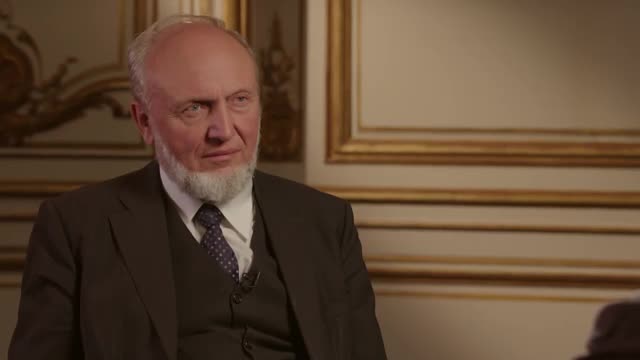
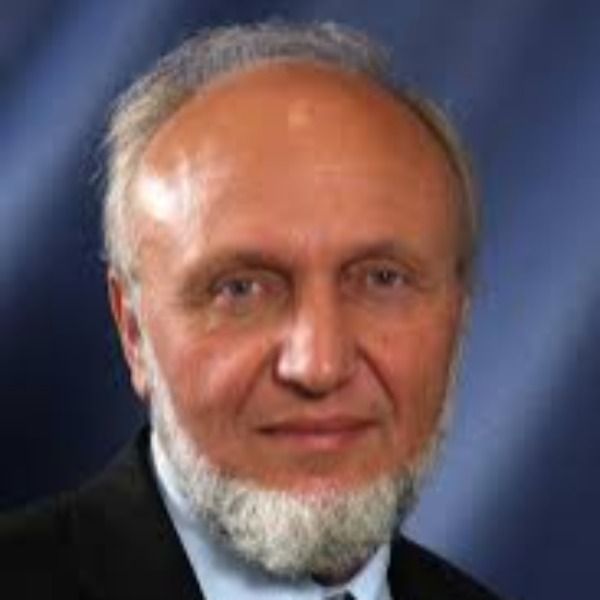
Hans-Werner Sinn is one the most frequently-quoted economists in Germany. Sinn held the Chair of Economics at the LMU University in Munich until 2016. He has also gained international recognition as a result of numerous periods of research and guest professorships; he teaches at the London School of Economics, Princeton University, and the University of Oslo, amongst others. He has conducted research in a number of areas, including globalization, emerging markets, and demographic change.
From 1991 to 2016 he was a Director for the Centre for Economic Studies (CES) at LMU and from 1999 to 2016 he was Director of the Ifo-Institute, which has become well known for the publication of the monthly index of the German business climate. Under the directorship of Sinn, it quickly established itself as the most prominent of the six major German economic research institutes.
His advice has been sought for many years at both a government level, in Bonn and Berlin, and as an economic advisor to the Federal Science Ministry. He was also a member of the Supervisory Board at HVB Group and is an active member of a number of professional bodies.
Amongst the many books he has published, Can Germany Still be Saved? has caused the greatest controversy and is one of the most widely read public-policy books in recent German history. His thoughts on the "economic failure" of reunification and the weaknesses of the Euro have given him considerable influence over German economic thinking.
Hans-Werner Sinn is one the most frequently-quoted economists in Germany. Sinn held the Chair of Economics at the LMU University in Munich until 2016. He has also gained international recognition as a result of numerous periods of research and guest professorships; he teaches at the London School of Economics, Princeton University, and the University of Oslo, amongst others. He has conducted research in a number of areas, including globalization, emerging markets, and demographic change.
From 1991 to 2016 he was a Director for the Centre for Economic Studies (CES) at LMU and from 1999 to 2016 he was Director of the Ifo-Institute, which has become well known for the publication of the monthly index of the German business climate. Under the directorship of Sinn, it quickly established itself as the most prominent of the six major German economic research institutes.
His advice has been sought for many years at both a government level, in Bonn and Berlin, and as an economic advisor to the Federal Science Ministry. He was also a member of the Supervisory Board at HVB Group and is an active member of a number of professional bodies.
Amongst the many books he has published, Can Germany Still be Saved? has caused the greatest controversy and is one of the most widely read public-policy books in recent German history. His thoughts on the "economic failure" of reunification and the weaknesses of the Euro have given him considerable influence over German economic thinking.
Casino Capitalism: How the Financial Crisis Came About and What Needs to be Done Now
Can Germany Be Saved?: The Malaise of the World's First Welfare State
- Can Germany Be Saved?: The Malaise of the World's First Welfare State
The Green Paradox: A Supply-Side Approach to Global Warming
- The Green Paradox: A Supply-Side Approach to Global Warming
Economics, Emerging Markets, and Demographic Change
- Economics, Emerging Markets, and Demographic Change