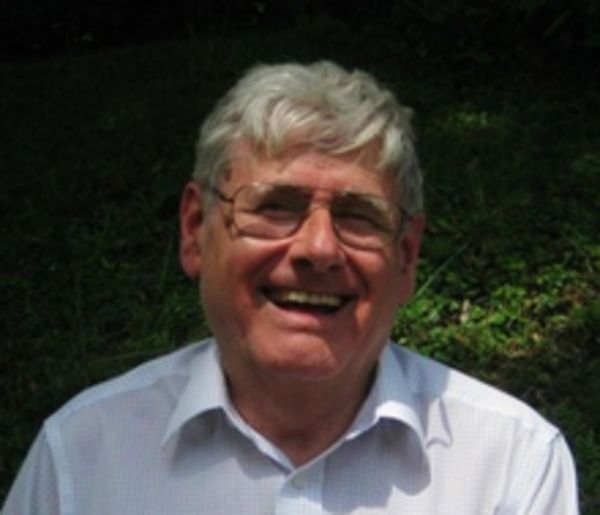
Ted Spickler
Doctorate in Educational Psychology
DE, USMy professional life separates into three distinct categories. The college professor, the corporate quality trainer, and the education change agent.
In 1964, after receiving an MS in physics from Xavier University in Cincinnati, I received an appointment as assistant professor of physics at West Liberty University in West Virginia.I took over the physical science course for students in the elementary teaching degree program. It was apparent these students were afraid of science so I discarded the textbook and created a new two-semester course sequence using an inquiry-based, hands-on science style of learning. I became interested in the problems of the psychology of learning and thinking and completed a doctoral program in educational psychology at West Virginia University.
An unexpected opportunity sent me off in a very new direction-becoming manager of the new computerized "Laboratory Information Management System" at the New Martinsville Plant of Mobay Chemical Corporation. During this time in New Martinsville, I volunteered with a Mobay chemist and a math professor at Bethany College, to create an experimental hands-on, after-school science program for all fourteen elementary schools in Marshall County, West Virginia.The success of this effort depended in part on receiving a coordinated set of grants, one from the US Department of Education and the other from the National Science Foundation. Mobay (subsequently known as Bayer MaterialScience) took notice of this after-school science program and transferred me to Pittsburgh as one of their Science Education Coordinators helping to guide the corporate science education outreach initiative called Making Science Make Sense. Bayer collaborated with the National Science Foundation and I became involved with the NSF "Local Systemic Change" initiative (introducing kit-based science teaching into school districts around the country). Collaborating with various organizations allowed me to help teams of teachers and administrators gain several NSF grants (totaling six million dollars) that triggered a local systemic change initiative in the five counties of the northern panhandle of West Virginia and another grant for two counties around Charleston, South Carolina. My interest in problems of education continued at Bayer as a corporate trainer for Six Sigma, Continuous Improvement, ISO certification, and Root Cause Analysis. ÃÂÃÂÃÂÃÂ I retired from Bayer in 2008 and ever since am devoting time to devising techniques for turning on the subconscious mind as an aid to the conscious brain in learning, teaching, and enhancing creativity. This effort culminated in writing a book applying Michael Polanyis tacit theory of knowledge to strengthening the intuitive parts of the mind.
My professional life separates into three distinct categories. The college professor, the corporate quality trainer, and the education change agent.
In 1964, after receiving an MS in physics from Xavier University in Cincinnati, I received an appointment as assistant professor of physics at West Liberty University in West Virginia.I took over the physical science course for students in the elementary teaching degree program. It was apparent these students were afraid of science so I discarded the textbook and created a new two-semester course sequence using an inquiry-based, hands-on science style of learning. I became interested in the problems of the psychology of learning and thinking and completed a doctoral program in educational psychology at West Virginia University.
An unexpected opportunity sent me off in a very new direction-becoming manager of the new computerized "Laboratory Information Management System" at the New Martinsville Plant of Mobay Chemical Corporation. During this time in New Martinsville, I volunteered with a Mobay chemist and a math professor at Bethany College, to create an experimental hands-on, after-school science program for all fourteen elementary schools in Marshall County, West Virginia.The success of this effort depended in part on receiving a coordinated set of grants, one from the US Department of Education and the other from the National Science Foundation. Mobay (subsequently known as Bayer MaterialScience) took notice of this after-school science program and transferred me to Pittsburgh as one of their Science Education Coordinators helping to guide the corporate science education outreach initiative called Making Science Make Sense. Bayer collaborated with the National Science Foundation and I became involved with the NSF "Local Systemic Change" initiative (introducing kit-based science teaching into school districts around the country). Collaborating with various organizations allowed me to help teams of teachers and administrators gain several NSF grants (totaling six million dollars) that triggered a local systemic change initiative in the five counties of the northern panhandle of West Virginia and another grant for two counties around Charleston, South Carolina. My interest in problems of education continued at Bayer as a corporate trainer for Six Sigma, Continuous Improvement, ISO certification, and Root Cause Analysis. ÃÂÃÂÃÂÃÂ I retired from Bayer in 2008 and ever since am devoting time to devising techniques for turning on the subconscious mind as an aid to the conscious brain in learning, teaching, and enhancing creativity. This effort culminated in writing a book applying Michael Polanyis tacit theory of knowledge to strengthening the intuitive parts of the mind.
Unleashing the Hidden Power of Your Unconscious Mind
The basic...
Saving the Planet: Mitigating Climate Change
- Educational groups (high school, college)
- Community organizations
- General public
- Non-partisan
- Insight into causes of Climate change
- ideas for local adaptation plans
- respect for alternative opinions
Audiences...
"Building Consciousness"
Format: 60-minute presentation, adjustable to the situation and audience.
This program is perfect for:
- [Anyone curious about consciousness]
- [anyone who needs an understanding of consciousness in their line of work]
The audience will leave with:
- [New understanding of the origins and nature of Consciousness]
- [Consciousness is not as mysterious as it...