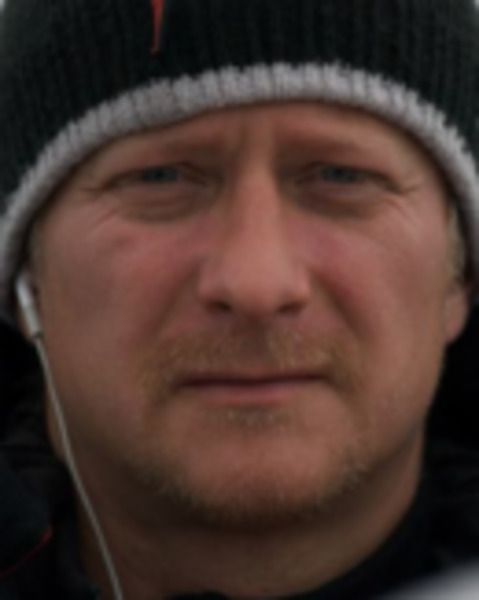
Cameron Dueck
From thrilling tales of helming his yacht through the Arctic ice to insightful observations about modern life in the Arctic, Cameron Dueck delivers a colourful and globally relevant story about climate change.
In the summer of 2009 he led a sailing expedition through the elusive Northwest Passage to see first hand how Canada’s Inuit are coping with climate change. With only four crew and the ticking clock of Arctic sea ice setting the pace, the Silent Sound sailed 15,000 km and stopped in the many communities scattered along the remote shores of Northern Canada. Although the crew had to deal with treacherous ice, cold and wet conditions and the daily chores of life at sea, they forced themselves to look beyond their own voyage and focus on the people they met along the way.
Cameron, a journalist who has reported from around the globe, brings context to stories from hunters, community leaders and young Inuit struggling with a clash of cultures and changes to their environment. He also speaks frankly about the crippling socio-economic problems facing people living in this remote corner of the world. During their voyage the crew saw land that was sinking due to the melting of permafrost and heard from amazed hunters who see southern animals encroaching into their Arctic hunting grounds.
Arctic sovereignty and development of natural resources in the north have brought global attention to the region, and Cameron’s voyage through the passage and research of these historic waters offers a unique view of these issues. The Open Passage Expedition used an ancient mode of transportation in their quest to understand a very modern problem, and the result is an intelligent and thrilling tale of discovery.
Cameron also inspires with his account of how he struggled to make his sailing dream come true even in the face of a global economic crisis and a lack of resources. Sponsors were tightening their purse strings and planning was constantly hampered by crew and equipment problems. But he remained determined to sail the Arctic, buying and upgrading an aging yacht on the cheap with the help of friends and family in order to keep his dream alive. The crew’s courage and limited resources inspired many along their route to lend a helping hand and share their story.
Cameron came to Arctic sailing by unlikely means. Growing up on a Mennonite turkey farm in the Canadian Prairies left him thousands of miles from the sea and adventure he sought. However, his financial journalism career with publications such as Reuters, the South China Morning Post and the Financial Times has taken him around the globe, and sailing quickly became his favored mode of travel. Before setting sail in the ice, Cameron spent much of 2004 sailing from South East Asia to the Caribbean via the Red Sea. That voyage included hiding from pirates in the Arabian Sea off Yemen and Somalia and sailing across the Atlantic Ocean.
Cameron is currently writing a book about his Arctic journey as well as producing a documentary film. He combines his stories with stunning photos of the journey for an informative and inspiring experience, bringing a clear message about climate change.
From thrilling tales of helming his yacht through the Arctic ice to insightful observations about modern life in the Arctic, Cameron Dueck delivers a colourful and globally relevant story about climate change.
In the summer of 2009 he led a sailing expedition through the elusive Northwest Passage to see first hand how Canada’s Inuit are coping with climate change. With only four crew and the ticking clock of Arctic sea ice setting the pace, the Silent Sound sailed 15,000 km and stopped in the many communities scattered along the remote shores of Northern Canada. Although the crew had to deal with treacherous ice, cold and wet conditions and the daily chores of life at sea, they forced themselves to look beyond their own voyage and focus on the people they met along the way.
Cameron, a journalist who has reported from around the globe, brings context to stories from hunters, community leaders and young Inuit struggling with a clash of cultures and changes to their environment. He also speaks frankly about the crippling socio-economic problems facing people living in this remote corner of the world. During their voyage the crew saw land that was sinking due to the melting of permafrost and heard from amazed hunters who see southern animals encroaching into their Arctic hunting grounds.
Arctic sovereignty and development of natural resources in the north have brought global attention to the region, and Cameron’s voyage through the passage and research of these historic waters offers a unique view of these issues. The Open Passage Expedition used an ancient mode of transportation in their quest to understand a very modern problem, and the result is an intelligent and thrilling tale of discovery.
Cameron also inspires with his account of how he struggled to make his sailing dream come true even in the face of a global economic crisis and a lack of resources. Sponsors were tightening their purse strings and planning was constantly hampered by crew and equipment problems. But he remained determined to sail the Arctic, buying and upgrading an aging yacht on the cheap with the help of friends and family in order to keep his dream alive. The crew’s courage and limited resources inspired many along their route to lend a helping hand and share their story.
Cameron came to Arctic sailing by unlikely means. Growing up on a Mennonite turkey farm in the Canadian Prairies left him thousands of miles from the sea and adventure he sought. However, his financial journalism career with publications such as Reuters, the South China Morning Post and the Financial Times has taken him around the globe, and sailing quickly became his favored mode of travel. Before setting sail in the ice, Cameron spent much of 2004 sailing from South East Asia to the Caribbean via the Red Sea. That voyage included hiding from pirates in the Arabian Sea off Yemen and Somalia and sailing across the Atlantic Ocean.
Cameron is currently writing a book about his Arctic journey as well as producing a documentary film. He combines his stories with stunning photos of the journey for an informative and inspiring experience, bringing a clear message about climate change.