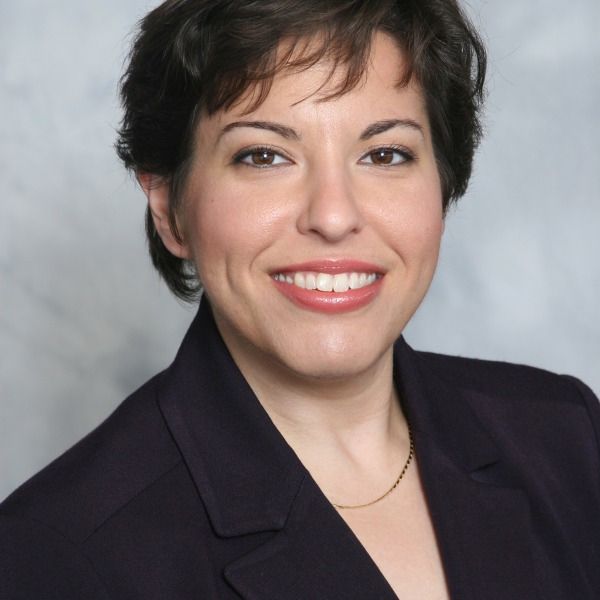
Dr. Naomi Abrams
OTD, OTR/L, CEAS
MD, USDr. Naomi Abrams, OTR/L, CEAS (Doctorate in Occupational Therapy, Nationally Registered and State Licensed to practice Occupational Therapy, Certified Ergonomics Assessment Specialist)
She is one of the leading experts in improving productivity by avoiding pain caused by poor posture. Many call her The Posture Doctor.
Bad posture, and the pain it causes, leads to poor profits.
Good posture leads to great profits!
"I don't like pain...You don't like pain... Nobody likes pain. When you are in pain you can't do your best." Dr. Abrams
Now more than ever employees are complaining of back pain, neck pain, and arm pain from bad posture. They are sitting at the computer, sitting in traffic, working on tablets, and stuck to their phones. Doctors visits are increasing taking people away from their work. US companies are losing $1 Billion per week to workplace injuries.
She is the keynote speaker and consultant known around the world as the noted expert who helps employees develop new thinking to be able to learn how to prevent injury and improve posture to decrease pain.
Dr. Abrams strives to teach everyone that preventing injury is an attainable goal! Her easy to follow approach that breaks posture and ergonomics into steps everyone can follow puts the power of injury prevention into the hands of the managers and employees.
According to Dr. Abrams, equipment shouldn't be the focus. Owners and executives are often afraid of the word "ergonomics" because they associate it with spending money on things that don't work. Research and proven results back up Dr. Abrams' approach.
Her own published research shows that her clients average a decline of reported discomfort by over 47% within just 2 weeks of intervention. Even more importantly, there is a corresponding increase in productivity equal to that decline in discomfort!
She is not associated with any equipment manufacturers or distributors. She keeps an objective viewpoint -- equipment is only recommended when truly needed.
Check out her books: Why is My Office a Pain in My...? and Protecting the Human Resourse: The HR Guide to Ergonomics.
Dr. Naomi Abrams, OTR/L, CEAS (Doctorate in Occupational Therapy, Nationally Registered and State Licensed to practice Occupational Therapy, Certified Ergonomics Assessment Specialist)
She is one of the leading experts in improving productivity by avoiding pain caused by poor posture. Many call her The Posture Doctor.
Bad posture, and the pain it causes, leads to poor profits.
Good posture leads to great profits!
"I don't like pain...You don't like pain... Nobody likes pain. When you are in pain you can't do your best." Dr. Abrams
Now more than ever employees are complaining of back pain, neck pain, and arm pain from bad posture. They are sitting at the computer, sitting in traffic, working on tablets, and stuck to their phones. Doctors visits are increasing taking people away from their work. US companies are losing $1 Billion per week to workplace injuries.
She is the keynote speaker and consultant known around the world as the noted expert who helps employees develop new thinking to be able to learn how to prevent injury and improve posture to decrease pain.
Dr. Abrams strives to teach everyone that preventing injury is an attainable goal! Her easy to follow approach that breaks posture and ergonomics into steps everyone can follow puts the power of injury prevention into the hands of the managers and employees.
According to Dr. Abrams, equipment shouldn't be the focus. Owners and executives are often afraid of the word "ergonomics" because they associate it with spending money on things that don't work. Research and proven results back up Dr. Abrams' approach.
Her own published research shows that her clients average a decline of reported discomfort by over 47% within just 2 weeks of intervention. Even more importantly, there is a corresponding increase in productivity equal to that decline in discomfort!
She is not associated with any equipment manufacturers or distributors. She keeps an objective viewpoint -- equipment is only recommended when truly needed.
Check out her books: Why is My Office a Pain in My...? and Protecting the Human Resourse: The HR Guide to Ergonomics.
Accommodations for Work from Home? Really??
Working from Home is a Pain in My...
In this session your employees will learn how to set...
4 Steps to Avoid Pain to Maximize Profit: When you feel better, you do better
"I don't like pain. I've had pain before; in fact, I got hurt during an accident the second week of my first job after 7 years of schooling. Two weeks into my chosen profession and I had to take a hard look at my future. It is hard to work while in pain. It is hard to work while in fear of pain." Dr. Abrams
What if you could know four things that...
Work Shouldn't Hurt
Work shouldn't hurt because the tools to setup employee workstations isn't expensive, isn't difficult, and...
Why is My Office a Pain in My...?
Aches and pains while sitting at your desk is not actually part of your job description. This engaging workshop shows employees how they can set up their workstations without relying on lots of gadgets or specialized equipment.
*Also available in webinar format
In-depth Ergonomics Workshop for Safety Professionals
Struggling with your companies ergonomics program? Need to know how to make it sustainable? Trying to figure out fact from fiction with the ergonomics myths floating around the internet about balance balls at the desk or back belts on the manufacturing floor? By the end of this course you will be ready to create lasting changes in your organization, no matter how large or small.
Global Challenges for International Employees
Creating safety and wellness programs for a workforce composed of international employees can have its own unique challenges. Looking at current research regarding the health of this constantly moving group of people, this workshop dives into the cultural, language and technical challenges faced by employees working in countries they have never been to before. Specific emphasis given to working in countries with limited local resources.
Member Of