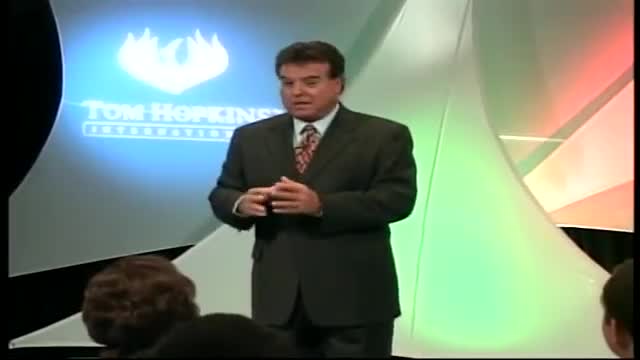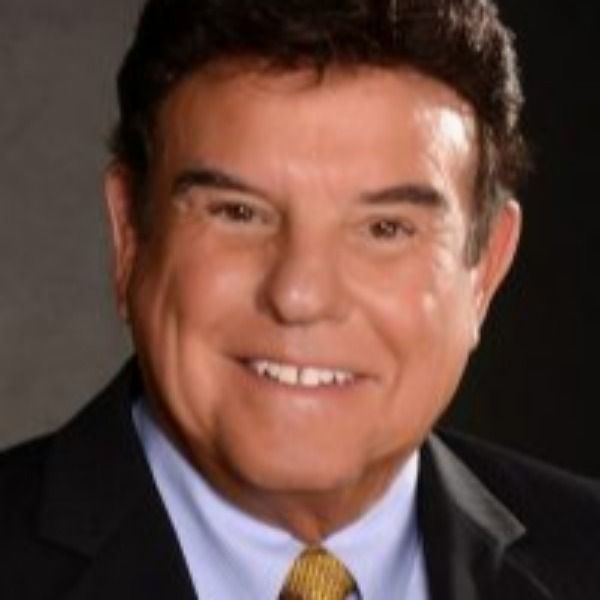
Tom Hopkins wasn't born to wealth and privilege. He was a mediocre student and began his work life in construction carrying steel. At the age of 19, he was married with a child on the way and trying to find a better way to support his young family.
Since he wasn't afraid of meeting new people and was known to be somewhat talkative someone suggested he try selling. After looking around at the people who were dressed well and driving new cars, he decided on the field of real estate.
At the time, real estate was considered an old man's profession. There weren't many women in the field and certainly no teenagers. It took Tom several tries to pass his licensing exam, but he eventually succeeded.
The next hurdle was to find someone to hire him. Visiting real estate offices around town on his way home from his construction job, Tom quickly learned the negative impact of the first impressions he was making.
Eventually, one office manager took pity on him and gave him a job. Tom was instructed to show up at the next office meeting in a suit-not his construction clothes. There was only one challenge, Tom didn't own a suit. He did, however, have a uniform from a band he had been in during high school.
When he arrived at the office meeting, the manager stopped and stared. So did everyone else in the room. Then he heard the manager say, "If that kid in a band uniform can make it in this business, the rest of you better be getting rich!"
Tom's first six months in real estate were anything but successful. He had sold only one home and averaged $42 a month in income. He was down to his last $150 in savings when a man came into the real estate office promoting a three-day sales training seminar with J. Douglas Edwards. Tom hadn't yet heard of either "sales training" or Mr. Edwards. He decided to invest his last bit of savings in the program.
Not only did the light of understanding dawn on Tom that selling is a learned skill, he was so inspired by Mr. Edwards' training that he became an avid student. He attended seminars, read books on selling and even invested in some vinyl records on self-improvement.
Tom applied everything he learned and by the time he turned 27, he was a millionaire salesperson in real estate. He set records that remained unbroken until this century. His last year as a real estate agent, he sold 365 homes-the equivalent of one each day. Grand total, he closed 1,553 real estate transactions in a period of six years.
Then, Tom faced his next hurdle. As much as he loved meeting people and talking with them one-on-one, speaking from stage brought back bad memories of a failed performance in a 1 st grade play. However, when he received the many awards he earned and loved, he was often asked to give speeches. Not knowing how to write a speech, Tom started talking about what he did to earn the award-how he sold homes. Everyone wanted to know how he did it so they could do it, too.
Tom turned to J. Douglas Edwards who by this time had become Tom's mentor. Mr. Edwards said, "You must do what you fear most in order to control your fear." Taking that message to heart, Tom soon became a dedicated student of public speaking and teaching. Seeing the light of understanding dawn on the faces of those who heard his message created a burning desire in him to help as many people as possible to learn how to sell professionally and a new career was born.
Tom taught pre-licensing courses in the field of real estate first. He also taught courses on how to get started in the business. Eventually, this evolved into his current sales training career where he is recognized as America's #1 Sales Trainer and The Builder of Sales Champions.
Tom Hopkins understands both sides of the selling equation. He understands the fears of both buyers and salespeople. Buyers don't want to be "sold" anything. Salespeople fear failure. The selling skills and strategies that Tom Hopkins teaches today reflect an understanding of how to communicate with buyers so they feel confident in making good decisions about the products and services they own. They also are taught in such a manner as to be entertaining and memorable by the sales professionals who seek them out.
Tom Hopkins wasn't born to wealth and privilege. He was a mediocre student and began his work life in construction carrying steel. At the age of 19, he was married with a child on the way and trying to find a better way to support his young family.
Since he wasn't afraid of meeting new people and was known to be somewhat talkative someone suggested he try selling. After looking around at the people who were dressed well and driving new cars, he decided on the field of real estate.
At the time, real estate was considered an old man's profession. There weren't many women in the field and certainly no teenagers. It took Tom several tries to pass his licensing exam, but he eventually succeeded.
The next hurdle was to find someone to hire him. Visiting real estate offices around town on his way home from his construction job, Tom quickly learned the negative impact of the first impressions he was making.
Eventually, one office manager took pity on him and gave him a job. Tom was instructed to show up at the next office meeting in a suit-not his construction clothes. There was only one challenge, Tom didn't own a suit. He did, however, have a uniform from a band he had been in during high school.
When he arrived at the office meeting, the manager stopped and stared. So did everyone else in the room. Then he heard the manager say, "If that kid in a band uniform can make it in this business, the rest of you better be getting rich!"
Tom's first six months in real estate were anything but successful. He had sold only one home and averaged $42 a month in income. He was down to his last $150 in savings when a man came into the real estate office promoting a three-day sales training seminar with J. Douglas Edwards. Tom hadn't yet heard of either "sales training" or Mr. Edwards. He decided to invest his last bit of savings in the program.
Not only did the light of understanding dawn on Tom that selling is a learned skill, he was so inspired by Mr. Edwards' training that he became an avid student. He attended seminars, read books on selling and even invested in some vinyl records on self-improvement.
Tom applied everything he learned and by the time he turned 27, he was a millionaire salesperson in real estate. He set records that remained unbroken until this century. His last year as a real estate agent, he sold 365 homes-the equivalent of one each day. Grand total, he closed 1,553 real estate transactions in a period of six years.
Then, Tom faced his next hurdle. As much as he loved meeting people and talking with them one-on-one, speaking from stage brought back bad memories of a failed performance in a 1 st grade play. However, when he received the many awards he earned and loved, he was often asked to give speeches. Not knowing how to write a speech, Tom started talking about what he did to earn the award-how he sold homes. Everyone wanted to know how he did it so they could do it, too.
Tom turned to J. Douglas Edwards who by this time had become Tom's mentor. Mr. Edwards said, "You must do what you fear most in order to control your fear." Taking that message to heart, Tom soon became a dedicated student of public speaking and teaching. Seeing the light of understanding dawn on the faces of those who heard his message created a burning desire in him to help as many people as possible to learn how to sell professionally and a new career was born.
Tom taught pre-licensing courses in the field of real estate first. He also taught courses on how to get started in the business. Eventually, this evolved into his current sales training career where he is recognized as America's #1 Sales Trainer and The Builder of Sales Champions.
Tom Hopkins understands both sides of the selling equation. He understands the fears of both buyers and salespeople. Buyers don't want to be "sold" anything. Salespeople fear failure. The selling skills and strategies that Tom Hopkins teaches today reflect an understanding of how to communicate with buyers so they feel confident in making good decisions about the products and services they own. They also are taught in such a manner as to be entertaining and memorable by the sales professionals who seek them out.
How to Master the Art of Selling
Practical how-to communication skill and selling strategies. The sales process is taught in seven steps from prospecting through to qualifying, presenting, closing and getting referral business. Each step has its own nuances of what to say and do that must be mastered in order to win the business.
Sell It Today, Sell It Now
When sales people meet with potential clients, whether it's face-to-face or via the phone or web, there's a natural amount of sales resistance in place. With the Sell It Today presentation process sales resistance is lowered in a methodical manner. Clients are open to learning about products thus allowing sales people to increase sales acceptance to the point of purchasing.
How to Gain, Train & Maintain a Dynamic Sales Team
Master strategies for success that are unique to the management of sales people and developing successful teams. Sales people are a different breed. They need to be managed very differently than clerical staff. Learn the traits of the world's most effective sales managers when it comes to hiring, training, counseling, and making career adjustments for the sales team.
3 recommend Tom
Post your own verified review when you hire this speaker through eSpeakers.
Mulhearn Realtors
On-Site
B., Mulhearn Realtors
It's so easy to skip a well-deserved accolade when you've been in real estate as long as I have, but I must tell you I continue to be inspired by your remarkable creativity and the way you keep ahead of the innovative curve for all of us.
Tru Dynamics Intl.
On-Site
J., Tru Dynamics Intl.
What can I say, but you're the master. I have attended your seminars and contracted you to present at our conferences and every person attending was mesmerized with your subject matter and presentation.
Homeowner's Direct
On-Site
R., Homeowner's Direct
Just a note to express my gratitude for the opportunity to have my people involved with your seminar in Denver. There is no price too high for quality training and knowledge… tremendous results in just the past couple of weeks since the seminar.