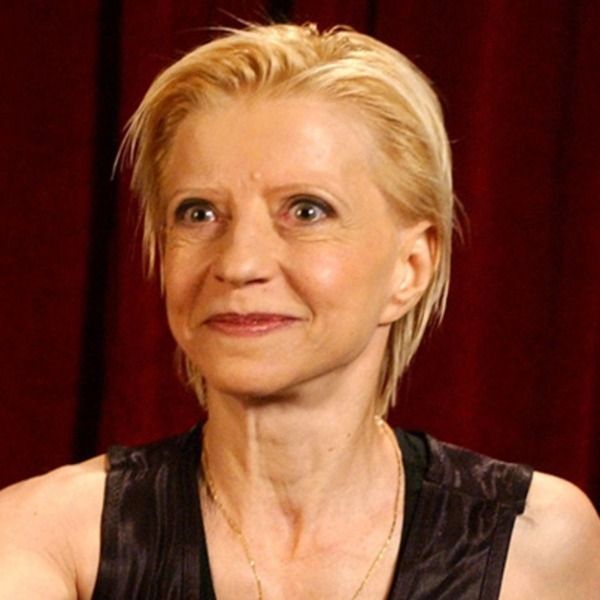
Olga Korbut
Olga Korbut, with her winning smile and elfin physique, touched the hearts of people throughout the world. She inspired emotions of protectiveness in people from all walks of life, generating sympathy for herself, and an intense interest in the sport that started an explosion of new training centers.
This one Belarusian gymnast almost singlehandedly turned women's gymnastics into the popular sport it is today. Prior to the 1972 Olympics, women's gymnastics had been a sport practiced by women, not young girls. Larissa Latynina continued to compete and win even after bearing children. Vera Caslavska was 26 when she stunned the world at the Mexico City Olympics in 1968. Olga's charm and technical daring changed that, and with Nadia Comaneci's sweep of the 1976 Olympics, the sport became dominated by younger, slighter, more athletic gymnasts.
Olga's principle strength as a gymnast was her originality. She was extremely flexible, giving her advantages in the floor and beam exercises. However, it was her more daring tricks - the back flip while standing on the high bar and her back tuck on the beam - that won her the admiration of millions. She was a master at manipulating a crowd, selecting her floor music for maximum emotional impact whatever setting in which she performed. In Munich in 1972, she became the talk of the planet. People of every nation were asking one question: "Did you see that Belarusian girl, Olga Korbut, on TV last night?" One spectator, acting out the impulses of Olga's many fans, rushed to bring the weeping gymnast a bouquet of flowers in sympathy. President Nixon, upon meeting her at the White House, told her: "I have always been impressed with your ability to land on your feet."
Olga won gold medals for her beam and floor routines in the Munich Olympics, and returned with the team in 1976. Olga was a great gymnast, but more than that she became an icon, a legend. She did more to ease the tensions of the Cold War than all the politicians and diplomats of the day put together. She made us all feel like part on one big family.
Today Olga Korbut lives in Scottsdale, Arizona (USA). She's teaching private lessons for gymnasts and dancers. Using her professional gymnastics warm-up and conditioning exercise experience, Olga has developed a Strength and Conditioning Program that works for all ages.
OLGA KORBUT HONORS
MEDALS TOTAL:
- Olympics: 4 Gold, 2 Silver
- World Championships: 2 Gold, 3 Silver
- European Championships: 1 Silver
ACCOMPLISHMENTS:
- 1972: Munich Olympic Games: Won 4 medals at Olympics: 3 Gold, 1 Silver
- 1972: Named Associated Press Female Athlete of the Year.
- 1972: ABC Sports recognized Olga as the Athlete of the Year.
- 1973: Top Athlete of the Year in the USA.
- 1974: Named by BBC "Top Athlete of the Year" in England
- 1975: Rewarded with the "Golden Tuning Fork" and named the Woman of the Year in San Remo, Monaco by Unesko.
- 1976: Olga Korbut competed in the World Championships. Won 5 medals: 2 Gold, 3 Silver.
- 1976: Montreal Olympic Games: Won 2 medals at Olympics: 1 Gold, 1 Silver.
Many awards and honors quickly followed her success in Munich. In 1972, the Associated Press named her "Female of the Year" and ABC Television, "Top Athlete of the Year." In 1975, the Women's Sports Foundation selected her "Athlete of the Year" and was named the "Mother of Gymnastics".
PUBLICATIONS & MEDIA:
13 books in different countries
Over 450,000 magazines and newspapers in all countries in 1972, Olga Korbut captured the heart of the World with her performance at the Munich Olympics. In doing so, she introduced the sport of gymnastics to hundreds of thousands of young girls across the United States.
- 1994: Olga was named a Sport Illustrated 40th Anniversary Honoree.
- 2001: Olga was in the Sport Illustrated July issue for their special edition on sport figures who made a difference in sports and where they are now.
- 2001: Interviewed on CNN the day the IOC named the host city for 2008 Olympics.
Olga's Keynote Topic:
Overcoming Obstacles - How to Be a Champion
One of the most charismatic athletes in Olympic history, Olga knew how to touch the hearts of people throughout the world and understands what it takes to be a champion. Olga's presentation begins with the exciting video of her "never been performed before" Olympic routine. She goes on to explain her personal stories and highlights the key characteristics of excellence and the importance of perseverance in the face of obstacles.
Olga captures the essence of focusing on success. She knew she was a gymnast at an early age and nothing was impossible on her journey to be an Olympic Gold medalist. She was an individual at a time in her country where that was not accepted or rewarded. At age 14, at her first senior competition, the Soviet national championship, she provoked intense discussion by demonstrating for the first time two unique gymnastic moves, and she went on to win several Olympic Gold medals with her innovative performances. She has also earned titles like the Master of Sport, Honoured Master of Sport in gymnastics, Athlete of the Year, United Nations Woman of the Year and in 1988 she was inducted into the International Gymnastics Hall of Fame as its first inductee. Today, Olga inspires others with her inspirational stories of triumph, perseverance, creativity and personal excellence.
Keynote Category Topics include:
- - Motivational
- - Inspirational
- - Sports/Athlete
- - Overcoming Obstacles
- - Business
- - Entrepreneurship
- - Success
- - Olympian Athlete
- - Coaching
- - Health/Nutrition
Olga Korbut, with her winning smile and elfin physique, touched the hearts of people throughout the world. She inspired emotions of protectiveness in people from all walks of life, generating sympathy for herself, and an intense interest in the sport that started an explosion of new training centers.
This one Belarusian gymnast almost singlehandedly turned women's gymnastics into the popular sport it is today. Prior to the 1972 Olympics, women's gymnastics had been a sport practiced by women, not young girls. Larissa Latynina continued to compete and win even after bearing children. Vera Caslavska was 26 when she stunned the world at the Mexico City Olympics in 1968. Olga's charm and technical daring changed that, and with Nadia Comaneci's sweep of the 1976 Olympics, the sport became dominated by younger, slighter, more athletic gymnasts.
Olga's principle strength as a gymnast was her originality. She was extremely flexible, giving her advantages in the floor and beam exercises. However, it was her more daring tricks - the back flip while standing on the high bar and her back tuck on the beam - that won her the admiration of millions. She was a master at manipulating a crowd, selecting her floor music for maximum emotional impact whatever setting in which she performed. In Munich in 1972, she became the talk of the planet. People of every nation were asking one question: "Did you see that Belarusian girl, Olga Korbut, on TV last night?" One spectator, acting out the impulses of Olga's many fans, rushed to bring the weeping gymnast a bouquet of flowers in sympathy. President Nixon, upon meeting her at the White House, told her: "I have always been impressed with your ability to land on your feet."
Olga won gold medals for her beam and floor routines in the Munich Olympics, and returned with the team in 1976. Olga was a great gymnast, but more than that she became an icon, a legend. She did more to ease the tensions of the Cold War than all the politicians and diplomats of the day put together. She made us all feel like part on one big family.
Today Olga Korbut lives in Scottsdale, Arizona (USA). She's teaching private lessons for gymnasts and dancers. Using her professional gymnastics warm-up and conditioning exercise experience, Olga has developed a Strength and Conditioning Program that works for all ages.
OLGA KORBUT HONORS
MEDALS TOTAL:
- Olympics: 4 Gold, 2 Silver
- World Championships: 2 Gold, 3 Silver
- European Championships: 1 Silver
ACCOMPLISHMENTS:
- 1972: Munich Olympic Games: Won 4 medals at Olympics: 3 Gold, 1 Silver
- 1972: Named Associated Press Female Athlete of the Year.
- 1972: ABC Sports recognized Olga as the Athlete of the Year.
- 1973: Top Athlete of the Year in the USA.
- 1974: Named by BBC "Top Athlete of the Year" in England
- 1975: Rewarded with the "Golden Tuning Fork" and named the Woman of the Year in San Remo, Monaco by Unesko.
- 1976: Olga Korbut competed in the World Championships. Won 5 medals: 2 Gold, 3 Silver.
- 1976: Montreal Olympic Games: Won 2 medals at Olympics: 1 Gold, 1 Silver.
Many awards and honors quickly followed her success in Munich. In 1972, the Associated Press named her "Female of the Year" and ABC Television, "Top Athlete of the Year." In 1975, the Women's Sports Foundation selected her "Athlete of the Year" and was named the "Mother of Gymnastics".
PUBLICATIONS & MEDIA:
13 books in different countries
Over 450,000 magazines and newspapers in all countries in 1972, Olga Korbut captured the heart of the World with her performance at the Munich Olympics. In doing so, she introduced the sport of gymnastics to hundreds of thousands of young girls across the United States.
- 1994: Olga was named a Sport Illustrated 40th Anniversary Honoree.
- 2001: Olga was in the Sport Illustrated July issue for their special edition on sport figures who made a difference in sports and where they are now.
- 2001: Interviewed on CNN the day the IOC named the host city for 2008 Olympics.
Olga's Keynote Topic:
Overcoming Obstacles - How to Be a Champion
One of the most charismatic athletes in Olympic history, Olga knew how to touch the hearts of people throughout the world and understands what it takes to be a champion. Olga's presentation begins with the exciting video of her "never been performed before" Olympic routine. She goes on to explain her personal stories and highlights the key characteristics of excellence and the importance of perseverance in the face of obstacles.
Olga captures the essence of focusing on success. She knew she was a gymnast at an early age and nothing was impossible on her journey to be an Olympic Gold medalist. She was an individual at a time in her country where that was not accepted or rewarded. At age 14, at her first senior competition, the Soviet national championship, she provoked intense discussion by demonstrating for the first time two unique gymnastic moves, and she went on to win several Olympic Gold medals with her innovative performances. She has also earned titles like the Master of Sport, Honoured Master of Sport in gymnastics, Athlete of the Year, United Nations Woman of the Year and in 1988 she was inducted into the International Gymnastics Hall of Fame as its first inductee. Today, Olga inspires others with her inspirational stories of triumph, perseverance, creativity and personal excellence.
Keynote Category Topics include:
- - Motivational
- - Inspirational
- - Sports/Athlete
- - Overcoming Obstacles
- - Business
- - Entrepreneurship
- - Success
- - Olympian Athlete
- - Coaching
- - Health/Nutrition