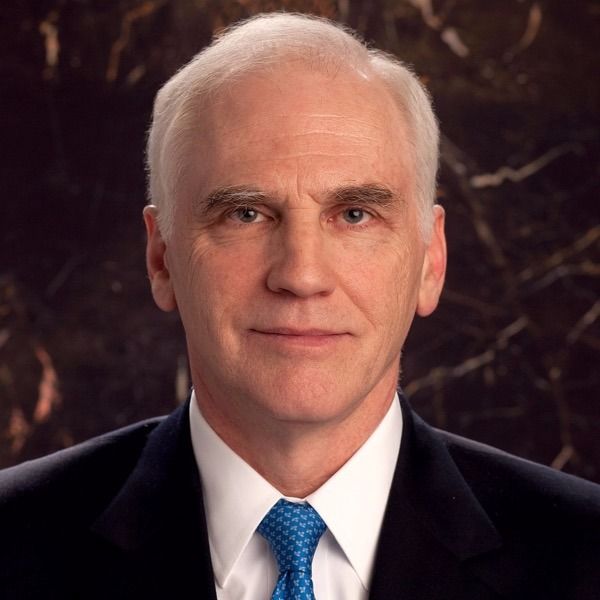
Daniel Tarullo
Daniel Tarullo became a member of the Board of Governors of the Federal Reserve during the depths of the financial crisis in January 2009. In his efforts at the Fed, he built on a wealth of prior experience in government, including as Assistant Secretary State for Economic Affairs, Assistant to the President for International Economic Policy and Personal Representative to the G-7 during the Clinton Administration, and as a member of the staff of the late Senator Ted Kennedy. Between his stints in government service, he taught at Georgetown and Harvard law schools. His book Banking on Basel warned of the weaknesses in pre-crisis financial regulation. As a member of the Federal Open Market Committee for more than eight years, he also helped shape monetary policy during the crisis and subsequent recovery, paying particular attention to the implications of labor market developments for monetary policy decisions.
Daniel Tarullo became a member of the Board of Governors of the Federal Reserve during the depths of the financial crisis in January 2009. In his efforts at the Fed, he built on a wealth of prior experience in government, including as Assistant Secretary State for Economic Affairs, Assistant to the President for International Economic Policy and Personal Representative to the G-7 during the Clinton Administration, and as a member of the staff of the late Senator Ted Kennedy. Between his stints in government service, he taught at Georgetown and Harvard law schools. His book Banking on Basel warned of the weaknesses in pre-crisis financial regulation. As a member of the Federal Open Market Committee for more than eight years, he also helped shape monetary policy during the crisis and subsequent recovery, paying particular attention to the implications of labor market developments for monetary policy decisions.
The Changing Financial Regulatory Landscape
Is the Economy Still Laboring in the Shadow of the Crisis and Recession?
The International Dimension of Financial Regulation

Cubiertas y chaquetas