Tali Sharot
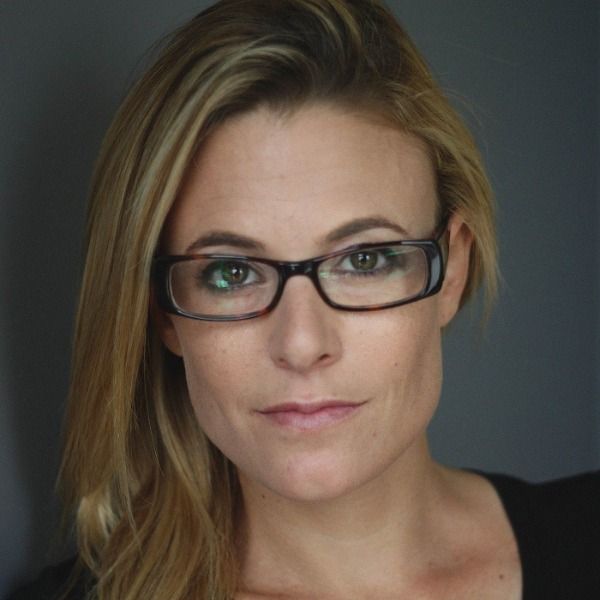
Professor Tali Sharot is a leading expert on human decision-making, optimism and emotion. She combines research in psychology, behavioral economics and neuroscience to reveal the forces that shape our decisions, beliefs and expectations of the future.
Why do people discount bad news (a tendency that contributed to the 2008 financial downfall, enhances ill-preparedness in the face of disaster and reduced medical screenings)? Why do we have unrealistic expectations of the future (underestimating our chances of divorce and expecting our kids to be uniquely talented)? Why is it so difficult to change a decision after it is made?
Tali Sharot, a Professor at University College London and currently a visiting professor at MIT, directs the Affective Brain Lab, where her team is dedicated to answer such questions with an aim at identifying ways to encourage behavioral change. Sharot is the author of several books including The Influential Mind: What the Brain Reveals About Our Power to Change Others (Henry Holt, 2017) and The Optimism Bias: A Tour of the Irrationally Positive Brain (Pantheon, 2011). She has been a guest on The Today Show, CNN, MSNBC, co-presented BBC's Science Club and spoke at TED. Sharot has written for TIME magazine (cover story), The Guardian, The Washington Post, the New York Times as well as many other publications. Her keynote speaking audiences include Google, Microsoft, Goldman Sachs, Prudential, Citibank, Deloitte & Touche, PIMCO, Vail resorts, Johnson & Johnson, and the World Economic Forum, among many others.
Professor Tali Sharot is a leading expert on human decision-making, optimism and emotion. She combines research in psychology, behavioral economics and neuroscience to reveal the forces that shape our decisions, beliefs and expectations of the future.
Why do people discount bad news (a tendency that contributed to the 2008 financial downfall, enhances ill-preparedness in the face of disaster and reduced medical screenings)? Why do we have unrealistic expectations of the future (underestimating our chances of divorce and expecting our kids to be uniquely talented)? Why is it so difficult to change a decision after it is made?
Tali Sharot, a Professor at University College London and currently a visiting professor at MIT, directs the Affective Brain Lab, where her team is dedicated to answer such questions with an aim at identifying ways to encourage behavioral change. Sharot is the author of several books including The Influential Mind: What the Brain Reveals About Our Power to Change Others (Henry Holt, 2017) and The Optimism Bias: A Tour of the Irrationally Positive Brain (Pantheon, 2011). She has been a guest on The Today Show, CNN, MSNBC, co-presented BBC's Science Club and spoke at TED. Sharot has written for TIME magazine (cover story), The Guardian, The Washington Post, the New York Times as well as many other publications. Her keynote speaking audiences include Google, Microsoft, Goldman Sachs, Prudential, Citibank, Deloitte & Touche, PIMCO, Vail resorts, Johnson & Johnson, and the World Economic Forum, among many others.
The Power of Optimism: How to Use Its Benefits and Guard Against Its Dangers
The Business of Moving Others: Using the New Science of the Mind to Induce Behavioral Change
Smart Influence: How You Affect the Decisions, Desires and Opinions of Others
How to Make People Happy and Why Organizations Should Care

Cubiertas y chaquetas