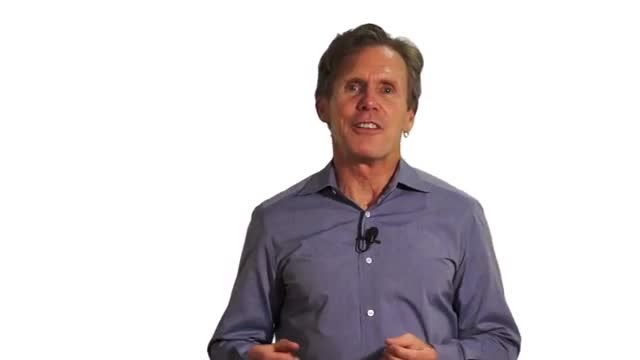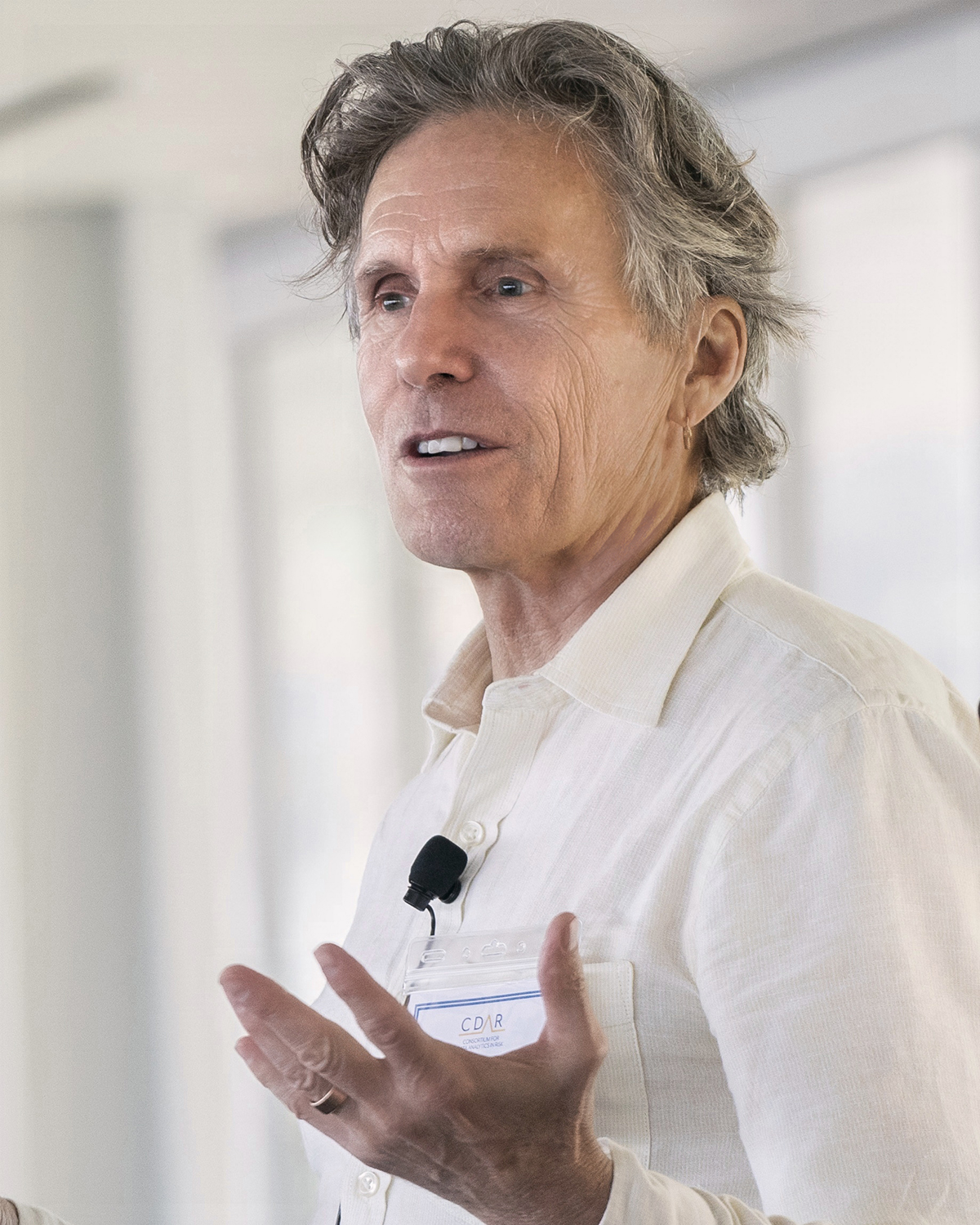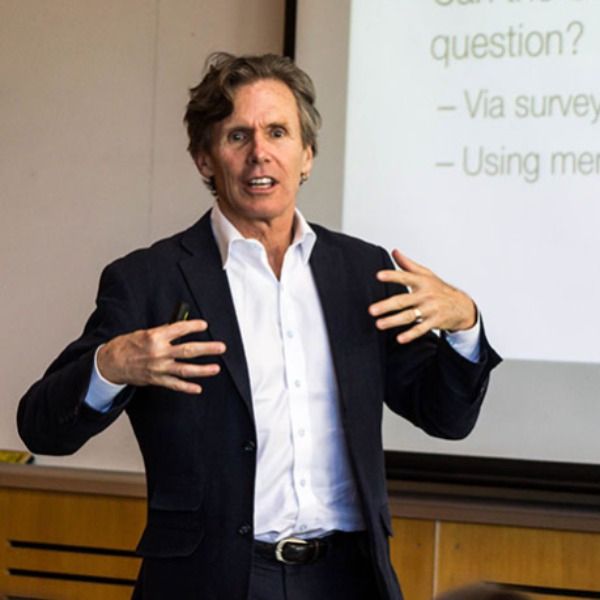
Terrance Odean
Ph.D
CA, USTerrance is the Rudd Family Foundation Professor of Finance at the Haas School of Business at the University of California, Berkeley. He is a member of the Journal of Investment Consulting editorial advisory board, of the Russell Sage Behavioral Economics Roundtable, of the WU Gutmann Center Academic Advisory Board at the Vienna University of Economics and Business and is a Wall Street Journal Expert Panelist. As an undergraduate at Berkeley, Odean studied Judgment and Decision Making with the 2002 Nobel Laureate in Economics, Daniel Kahneman. This led to his research focus on the behavior of individual investors.
Terrance is the Rudd Family Foundation Professor of Finance at the Haas School of Business at the University of California, Berkeley. He is a member of the Journal of Investment Consulting editorial advisory board, of the Russell Sage Behavioral Economics Roundtable, of the WU Gutmann Center Academic Advisory Board at the Vienna University of Economics and Business and is a Wall Street Journal Expert Panelist. As an undergraduate at Berkeley, Odean studied Judgment and Decision Making with the 2002 Nobel Laureate in Economics, Daniel Kahneman. This led to his research focus on the behavior of individual investors.
The behavior of individual investors
Unrecognized risk taking in financial markets
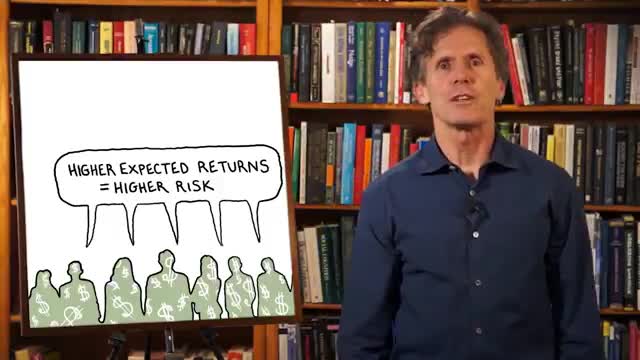
Risk-taking is an essential activity in financial markets. Standard models assume that economic agents are pay attention to all relevant information, are unbiased in their assessment of risk, and dispassionately match the risks they take to consistent preferences. In practice, however, investors have limited attention, display persistent biases when assessing risk, and have inconsistent preferences. Furthermore, risk-taking is influenced by emotions. Thus investors often take risks that...