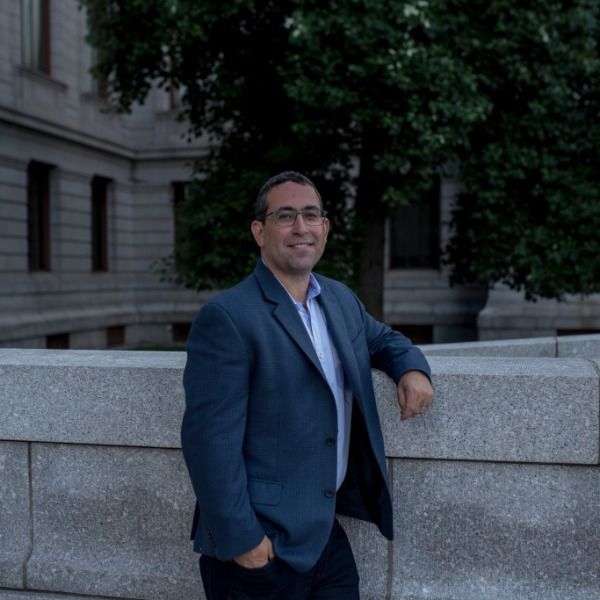
Max Abrahms
Professor of Terrorism
MA, USDr. Max Abrahms is among the world's leading experts on the subject of terrorism. He is a professor of political science and public policy at Northeastern University. His terrorism research is among the most cited and assigned around the world. Abrahms is also a frequent analyst in the media, especially on the consequences of terrorism, its motives, and the implications for counterterrorism strategy. He frequently fields interviews on all aspects of terrorism and counterterrorism with major media outlets such as the Atlantic, Associated Press, BBC, Bloomberg, CNN, CNN International, Newsweek, New York Times, Voice of America, and Washington Post. He has been awarded fellowships and other affiliations from the Council on Foreign Relations, Center for International Security and Cooperation at Stanford University, the Empirical Studies of Conflict project at Princeton University and Stanford University, the Dickey Center for International Understanding at Dartmouth College, the Combating Terrorism Center at West Point Military Academy, the Center for Cyber and Homeland Security at George Washington University, the Center for the Study of Terrorism in Rome, the Moshe Dayan Center at Tel Aviv University, the economics department at Bar Ilan University, the political science department at Johns Hopkins University, and the Belfer Center at Harvard University. Abrahms presents his terrorism research to academic audiences throughout the world such as at Harvard, Stanford and St. Andrews; government agencies such the CIA, Department of Homeland Security, and the National Counterterrorism Center; and also gives public talks such as for TED. He has a new book with Oxford University Press on why the conventional wisdom about terrorism is wrong.
Dr. Max Abrahms is among the world's leading experts on the subject of terrorism. He is a professor of political science and public policy at Northeastern University. His terrorism research is among the most cited and assigned around the world. Abrahms is also a frequent analyst in the media, especially on the consequences of terrorism, its motives, and the implications for counterterrorism strategy. He frequently fields interviews on all aspects of terrorism and counterterrorism with major media outlets such as the Atlantic, Associated Press, BBC, Bloomberg, CNN, CNN International, Newsweek, New York Times, Voice of America, and Washington Post. He has been awarded fellowships and other affiliations from the Council on Foreign Relations, Center for International Security and Cooperation at Stanford University, the Empirical Studies of Conflict project at Princeton University and Stanford University, the Dickey Center for International Understanding at Dartmouth College, the Combating Terrorism Center at West Point Military Academy, the Center for Cyber and Homeland Security at George Washington University, the Center for the Study of Terrorism in Rome, the Moshe Dayan Center at Tel Aviv University, the economics department at Bar Ilan University, the political science department at Johns Hopkins University, and the Belfer Center at Harvard University. Abrahms presents his terrorism research to academic audiences throughout the world such as at Harvard, Stanford and St. Andrews; government agencies such the CIA, Department of Homeland Security, and the National Counterterrorism Center; and also gives public talks such as for TED. He has a new book with Oxford University Press on why the conventional wisdom about terrorism is wrong.
Why the Conventional Wisdom on Terrorism is Wrong
The State of Islamic State: Making Sense of Today's Terrorism Threat
Americans view terrorism as the biggest threat in the world according to polls. Television talking heads discuss terrorism around the clock, but none of them knows the subject like Professor Max Abrahms, who employs original research to break down the threat. As one of the world's leading authorities on terrorism, Abrahms will sort through the hysteria by dissecting the terrorism threat with the most-cutting edge...
What Can CEOs Learn from Osama bin Laden?
Does Terrorism Work?
What Do Terrorists Want?
Do Drones Work?
Islamic State and Social Media